BACK IN BALANCE Clinic

Rotator cuff-related shoulder pain treatment in Toronto

Supraspinatus tendonopathy and tears, shoulder impingement syndromes, bursitis, and other non-traumatic shoulder pain.

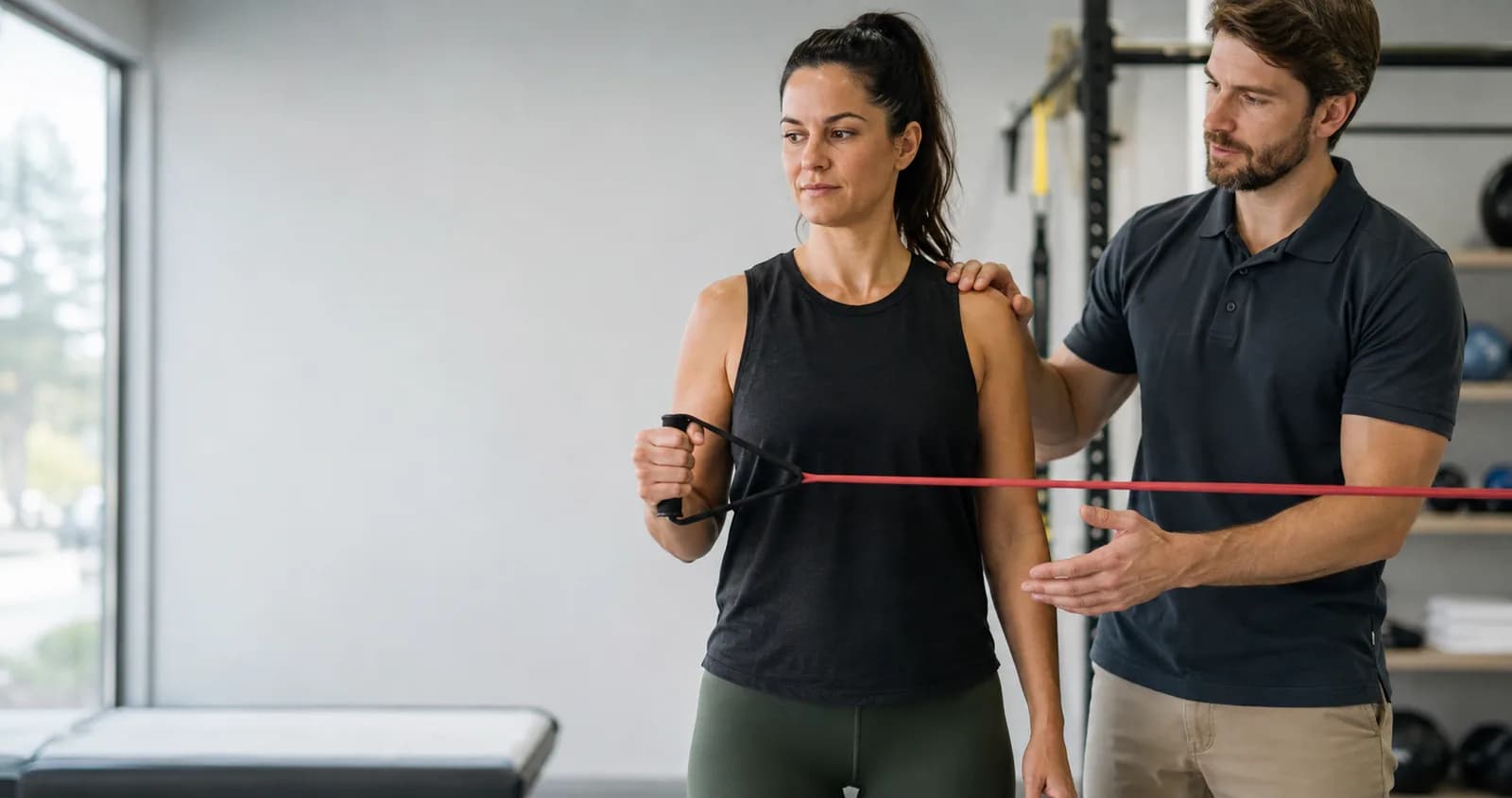
Clinician guiding a patient through a resistance-band shoulder exercise during rotator cuff rehabilitation in a modern clinic.
Since 2009Advanced Spine CareConcussion RehabilitationWomen's HealthRunning & SportsWSIB & MVA ClaimsLGBTQ+ Friendly 🏳️‍🌈Direct Billing to Insurance
Patient performing a controlled single-arm overhead press with a light dumbbell in a rehabilitation clinic
What it is

Most shoulder pain is a mechanics and load problem, not an injury that needs rest.

For many people, shoulder pain develops when the demands placed on the shoulder exceed what the muscles, tendons, and surrounding tissues can currently tolerate. Changes in training volume, repetitive work, reduced strength, limited mobility, or poor control of the shoulder blade can all contribute—often without a single identifiable injury or meaningful tissue damage.

Complete rest may temporarily reduce symptoms, but it rarely corrects the factors that allowed the problem to develop. Treatment should focus on identifying painful or limited movements, modifying aggravating loads, and progressively rebuilding strength and tolerance so the shoulder can return to work, exercise, and daily activity with confidence.

  • Around 62% of adults over 40 have a tear in their rotator-cuff.
  • However, 96% of people with tears are asymptomatic. That points towards the tear not being the painful part, but bad mechanics irritating other tissues.
  • Total rest usually backfires: it lowers tissue capacity, so the injury progressively gets worse over time as it gets weaker.
Shoulder injuries we treat

Tendonopathy, symptomatic tears, and biomechanical issues each needs a different plan.

Rotator cuff tendonopathy

Aching pain over the front or outside of the shoulder that flares with overhead reaching, lifting, or lying on that side. Usually responds to progressive rotator cuff strengthening and carefully managed shoulder loading, not complete rest or passive treatment alone.

Bursitis

Aching pain over the outside of the shoulder that flares with overhead reaching, lifting, or lying on that side. Often overlaps with rotator cuff irritation and usually responds to activity modification and progressive shoulder strengthening, not complete rest alone.

Impingement syndromes

Sharp or pinching pain over the front or outside of the shoulder, often felt through a painful arc when reaching overhead. Usually reflects sensitivity of the rotator cuff and surrounding tissues under load—not harmful physical “pinching”—and responds to progressive strengthening and carefully managed activity.

Labrum injuries

Deep shoulder pain with clicking, catching, or a sense of instability, often aggravated by overhead lifting, throwing, or pushing. Many labral injuries improve with progressive strengthening and activity modification, although traumatic tears or recurrent instability may require further investigation or surgical consultation.

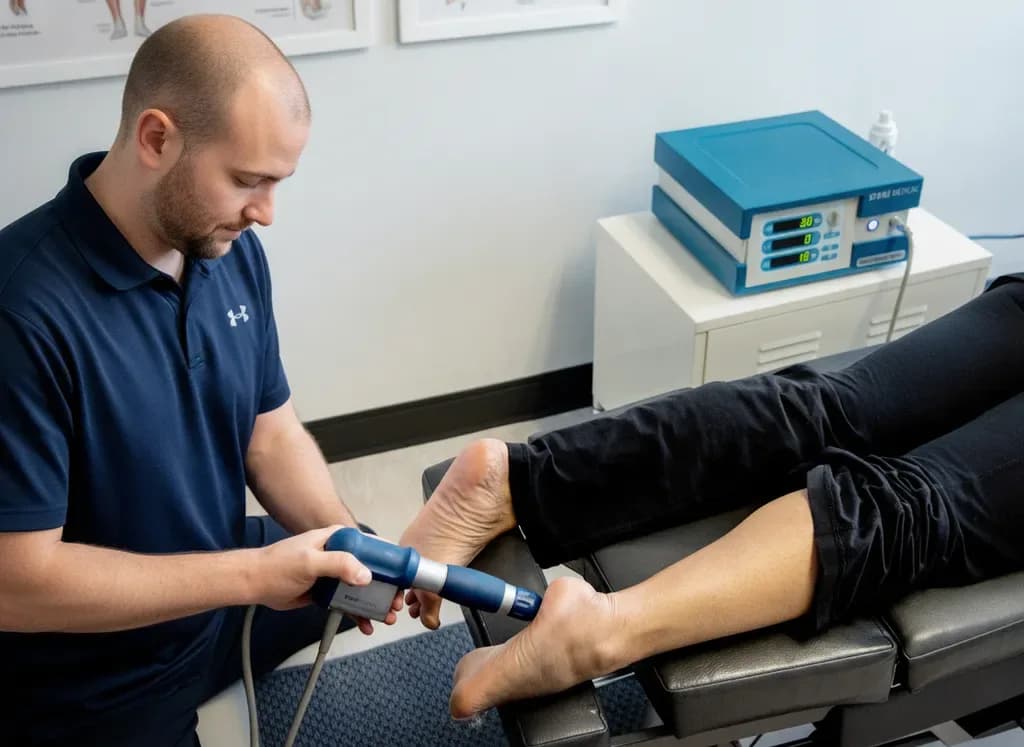
Clinician applying shockwave therapy to a patient’s rotator-cuff tendon region in a rehabilitation clinic
Why Shoulder Pain Develops

Load, Capacity, and Movement

Shoulder pain often develops when the amount, intensity, or frequency of activity exceeds what the shoulder can currently tolerate. This may follow a sudden increase in lifting, throwing, swimming, overhead work, or repetitive daily activity, or emerge gradually as strength and conditioning decline. In some cases—particularly labral injuries—a fall, dislocation, or other traumatic event is the primary trigger.

Strength, mobility, and movement patterns can influence how load is distributed across the shoulder, but there is no single “perfect” posture or technique that prevents pain. A thorough assessment identifies which movements are sensitive, which physical capacities are limited, and which activities are exceeding tolerance so treatment can restore function through appropriate load modification and progressive rehabilitation.

  • Increase in lifting load or frequency
  • Poor scapular mechanics and control
  • Lack of mobility in your shoulder or upper back
  • Traumatic events such as slips and falls
  • Poor sleep, high stress, or prolonged positions.
  • Little or no strength training to support the amount of overhead activity
Red flags

When shoulder pain needs a medical work-up, not just rehab.

Most shoulder injuries are safe to assess and treat conservatively. But a few patterns can signal a more significant injury or a problem outside the muscles and joints. If any of these apply, see your family doctor or an emergency department before booking, or tell us right away so we can refer for imaging.

  • Visible deformity of the shoulder following trauma
  • Inability to raise your arm
  • Progressive weakness or numbness
  • Swelling, redness, warmth, fever, or increasing shoulder pain
  • Significant trauma (eg. fall from a height)

Ready to get your shoulder pain assessed?

With significant trauma as the exception, most shoulder pain is a fixable load and mechanics problem. Book an assessment: we're trained to look for the serious causes, and we'll refer for imaging right away if your story points to one.

Patient actively raising one arm through an unassisted shoulder range-of-motion exercise in a rehabilitation clinic.
Your first visit

Range of motion, strength, and the story behind your injury.

Your first visit begins with a detailed discussion of when and how the pain started, where it is felt, which movements aggravate or relieve it, and how it affects sleep, work, exercise, and daily activity. We will also review recent changes in training or workload, previous shoulder or neck injuries, earlier treatments or imaging, relevant health history, and your goals, while screening for symptoms that may require medical referral.

The physical assessment examines active and passive range of motion, rotator cuff and shoulder-blade strength, pain and force production with resisted movements, joint mobility, and the specific tasks you are having difficulty performing. When appropriate, we will also assess the neck, nerves, instability, and possible labral involvement. These findings are considered together—not based on a single test—to establish a working diagnosis, determine whether imaging or referral is necessary, and build an individualized treatment plan.

  • Full strength and movement screen, shoulder, neck and back
  • Orthopaedic testing to isolate painful tissues
  • Direct billing to most insurance providers, plus WSIB and MVA coverage
How we treat it

Manage the load. Improve the mechanics. Build the capacity.

Load management

Load management means adjusting how much stress is placed on the shoulder—not avoiding movement altogether. We identify the activities currently exceeding your shoulder’s tolerance and temporarily modify their volume, intensity, frequency, or range of motion. As pain settles and capacity improves, these demands are gradually reintroduced so the shoulder adapts and you can return to work, training, and daily activity without unnecessary restrictions.

Improve mechanics

Improving biomechanics means helping the shoulder blade, upper arm, and upper back work together effectively during the movements that matter to you. We use targeted exercise, movement practice, and individualized cues to improve coordination, mobility, and force distribution. The goal is not to enforce one “perfect” posture, but to develop more comfortable and efficient movement options for work, exercise, and daily life.

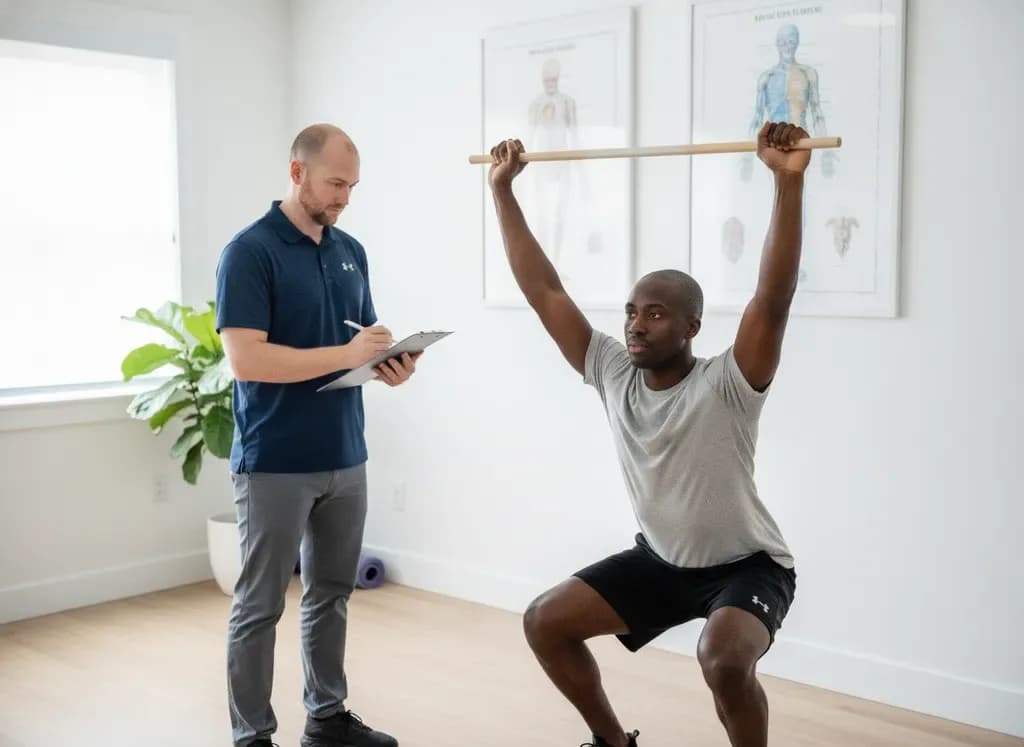
Functional movement assessment

Rebuild capacity with strength training

Strength training improves the shoulder’s capacity to tolerate the demands of work, exercise, and daily life. We begin at a level your shoulder can manage and progressively strengthen the rotator cuff, shoulder blade, and surrounding muscles through isolated and functional movements. As strength and load tolerance improve, the shoulder can handle greater demands with less pain and fewer activity restrictions.

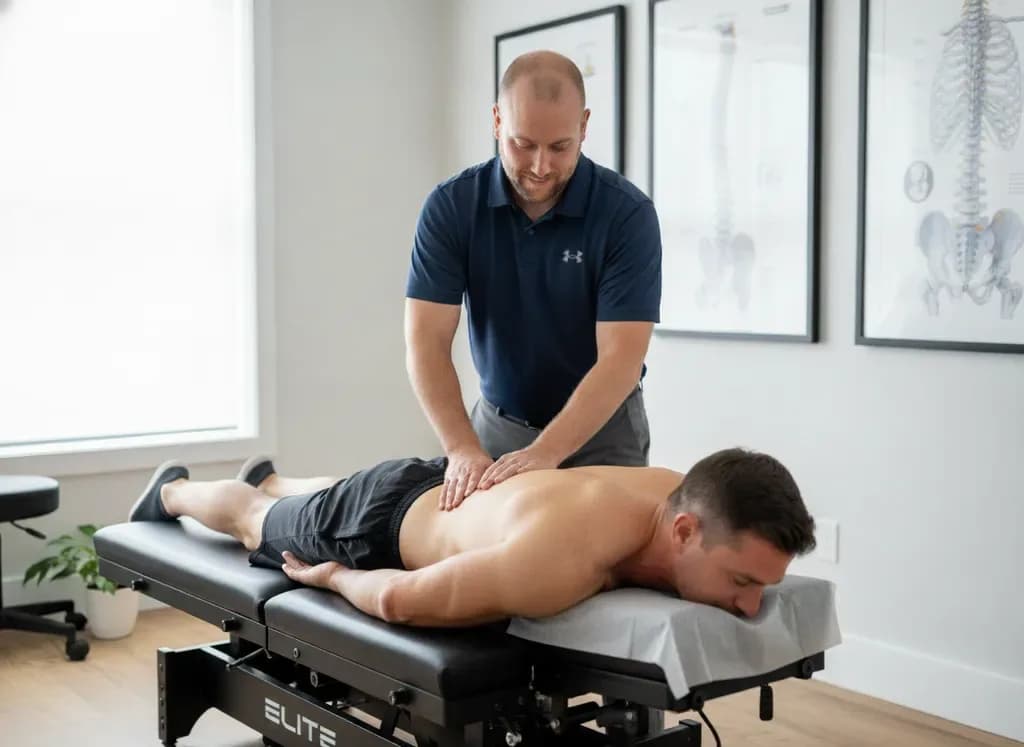
Hands-on care & modalities

Manual therapy for the joints and soft tissue under strain, plus modalities like shockwave or laser to settle stubborn tendons and improve recovery.

Shockwave therapy
Related care

Everything a shoulder needs, under one roof.

Shockwave therapy

Shockwave therapy delivers targeted acoustic pulses to the affected shoulder and may help reduce pain and disability when calcium deposits are present in the rotator cuff. When appropriate, it should complement—not replace—progressive strengthening and load management.

Shockwave therapy

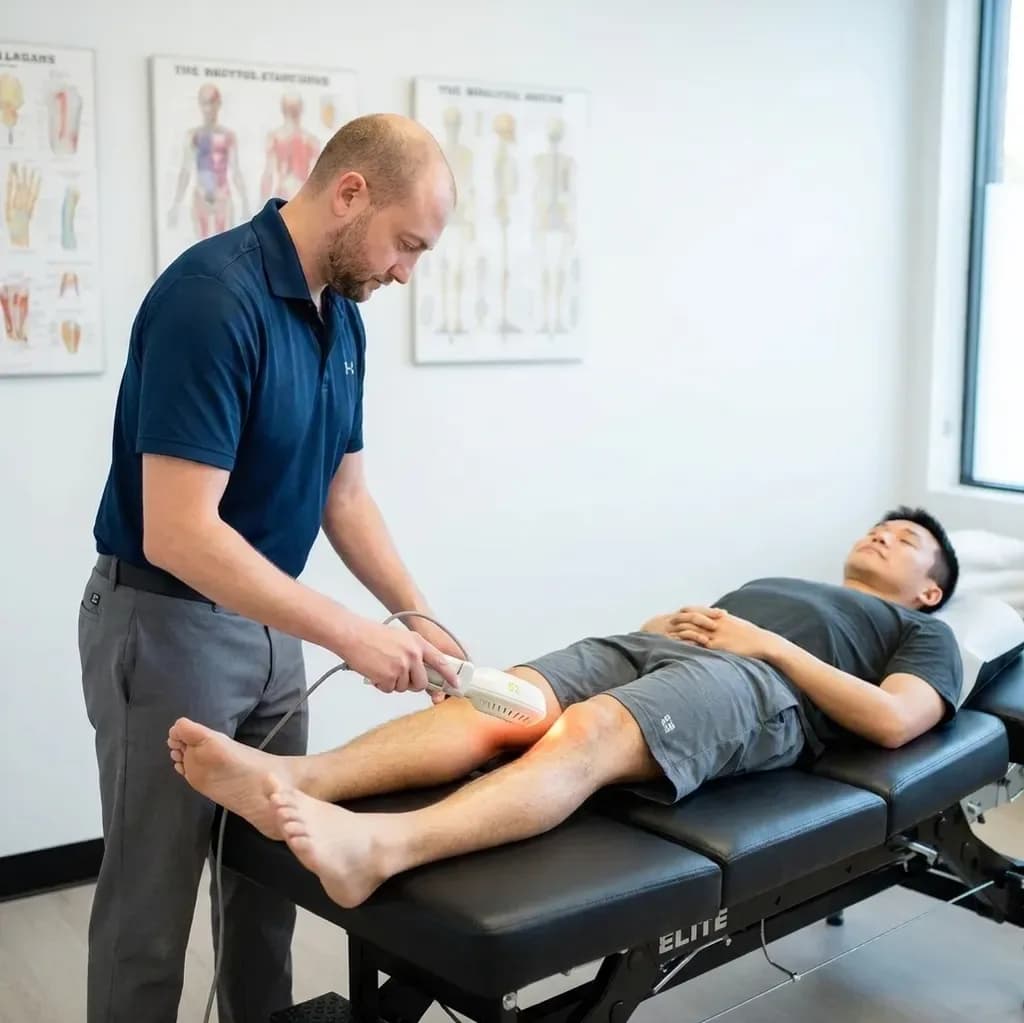
Laser therapy

Laser therapy applies targeted light energy to the affected shoulder and may help reduce pain and disability in rotator cuff tendinopathy. Helpful when used in conjunction with progressive strengthening and load management.

Laser therapy

Mid back pain

Mid-back pain and stiffness are often upstream of shoulder pain, as your mid-back influences how your scapula can move and function.

Frequently asked questions

About rotator cuff-related shoulder pain

Recovery time depends on the condition, how long symptoms have been present, your activity demands, and how consistently the rehabilitation plan is followed. Some people notice improvement within several weeks, while restoring full strength and tolerance may take several months.

About the clinic

Reviews

What patients say

A few words from people we've helped get back to what they love.

Steps from College station and they direct-bill my insurance, so it's an easy visit. Real assessment, no pressure, and a plan I could actually follow at home.
Kevin M.· Google
I saw Dr. Clarke through my pregnancy for pelvic pain. Gentle, knowledgeable, and reassuring the whole way. It made a real difference to how I felt day to day.
Hannah L.· Google
Booked for a running gait analysis before a half marathon. The video breakdown of my stride was eye-opening and the exercises sorted out the knee pain that kept derailing my training.
Marcus T.· Google

Book your first visit

Tell us about your rotator cuff-related shoulder pain and the front desk will match you with the right practitioner.

  • Same-day appointments usually available
  • Direct billing to most major insurers
  • Prefer to call? (416) 660-9932

You’re a message away from improving your health.

By submitting you agree to be contacted about your enquiry. We never share your details.

CallBook Now