Recovering from a motor vehicle accident can feel like a lot at once. Right after a collision, there’s the shock, the paperwork, and suddenly, a body that might not move or feel the way it used to. Spring in Toronto often brings back longer walks, airy routines, and more time outdoors. When that shift happens, people sometimes notice aches or stiffness they didn’t feel right away after an accident. That’s part of why motor vehicle accident rehabilitation matters, it helps guide the healing process in steady, manageable steps.
When care begins at the right time and moves at the right pace, the body often responds with more ease. Support doesn’t need to feel complicated. Instead, it can follow a rhythm that helps people feel more grounded as they recover.
What Happens to the Body After a Collision
Even in a minor crash, the body can go through sudden force and movement it doesn’t expect. It reacts quickly, tightening muscles or pulling joints out of their usual patterns. Some effects are easy to spot right away. Others may show up more slowly over time.
- Whiplash is one of the most common responses, especially after rear-end collisions
- Shoulder, neck, and back discomfort can grow more noticeable in the days that follow
- Headaches and fatigue sometimes set in as the nervous system tries to steady itself again
Movement might feel stiff or off, especially when changing positions or stretching. These signs often mean the body is still adjusting. If care is delayed, tightness can settle into more lasting discomfort. Early attention can help the body shift out of guard mode and into a smoother recovery rhythm.
Early Steps to Recovery
In the first few days or weeks after a collision, the biggest focus is often rest. But rest doesn’t always mean full stillness. Gentle movement can help keep circulation going and support healing. It’s also a time to listen to what the body is saying.
- Light walking or stretching may help reduce the feeling of stiffness
- Swelling or soreness can signal when muscles or joints are trying to repair themselves
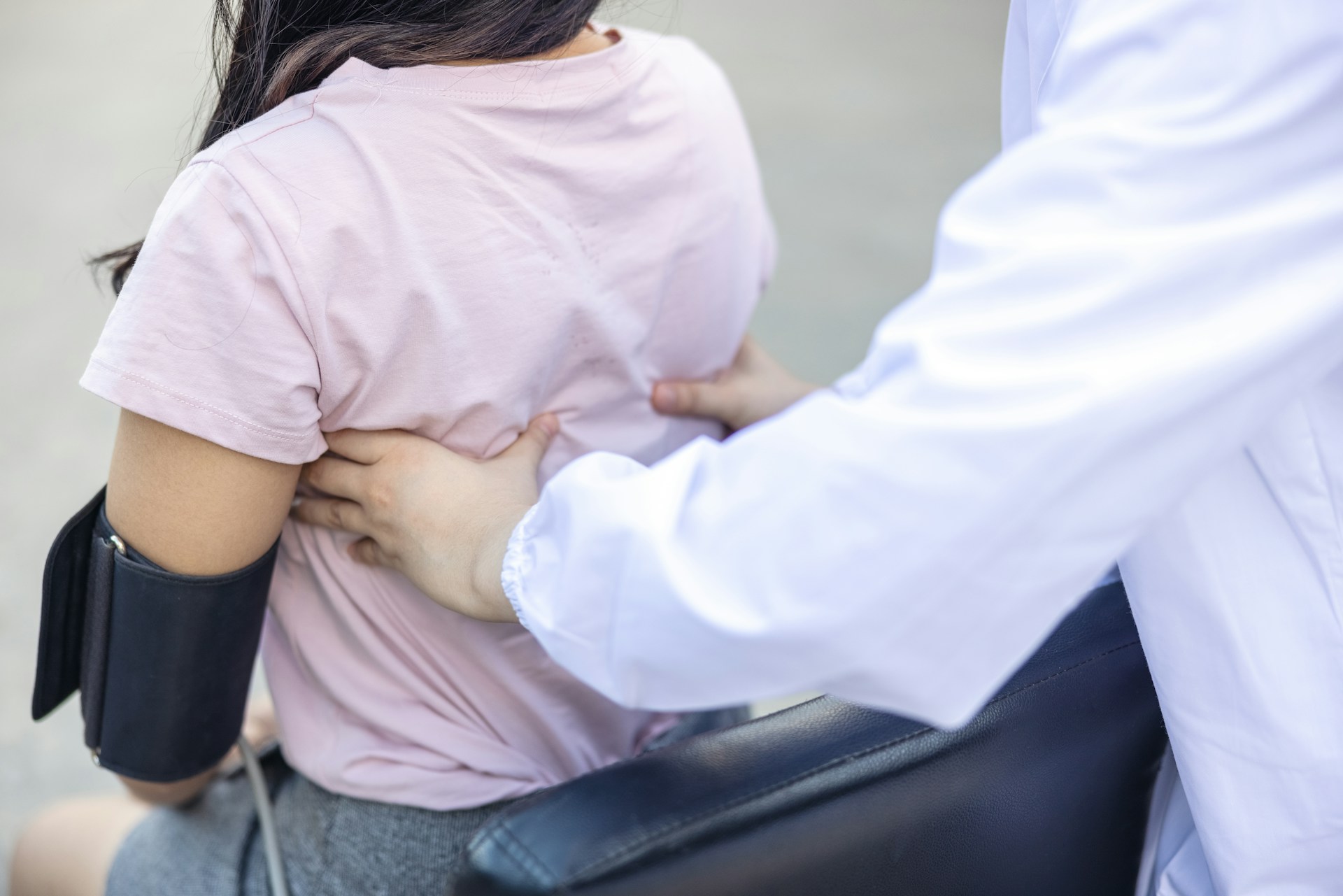
- Seeing a professional early on allows for a better sense of how deep the injury might go
The mind plays a big role, too. Accidents can bring on fear or stress that gets stored in the body. People may hold themselves differently without even noticing, hugging their shoulders, tensing their jaw, or avoiding certain motions. This stress response can make it harder to unwind or regain free movement.
At Back In Balance Clinic, our approach to motor vehicle accident rehabilitation starts with a comprehensive assessment to understand your injuries and personal recovery needs. We use evidence-based practices to create your individualized treatment plan, coordinating therapies such as chiropractic care, massage therapy, and active rehabilitation.
What Ongoing Care Might Look Like
After that first phase, care starts to look a little different. Instead of just calming the body, the goal turns to rebuilding it. Every plan will vary depending on what’s going on physically and emotionally, but most include a mix of approaches that help the body relearn movement patterns.
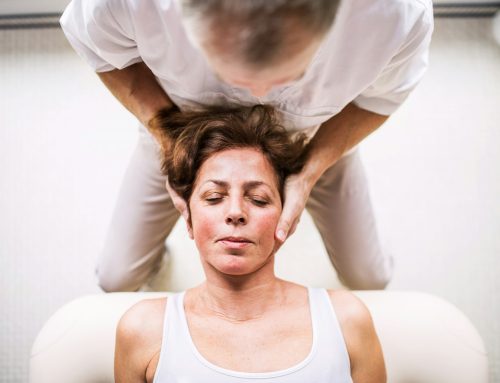
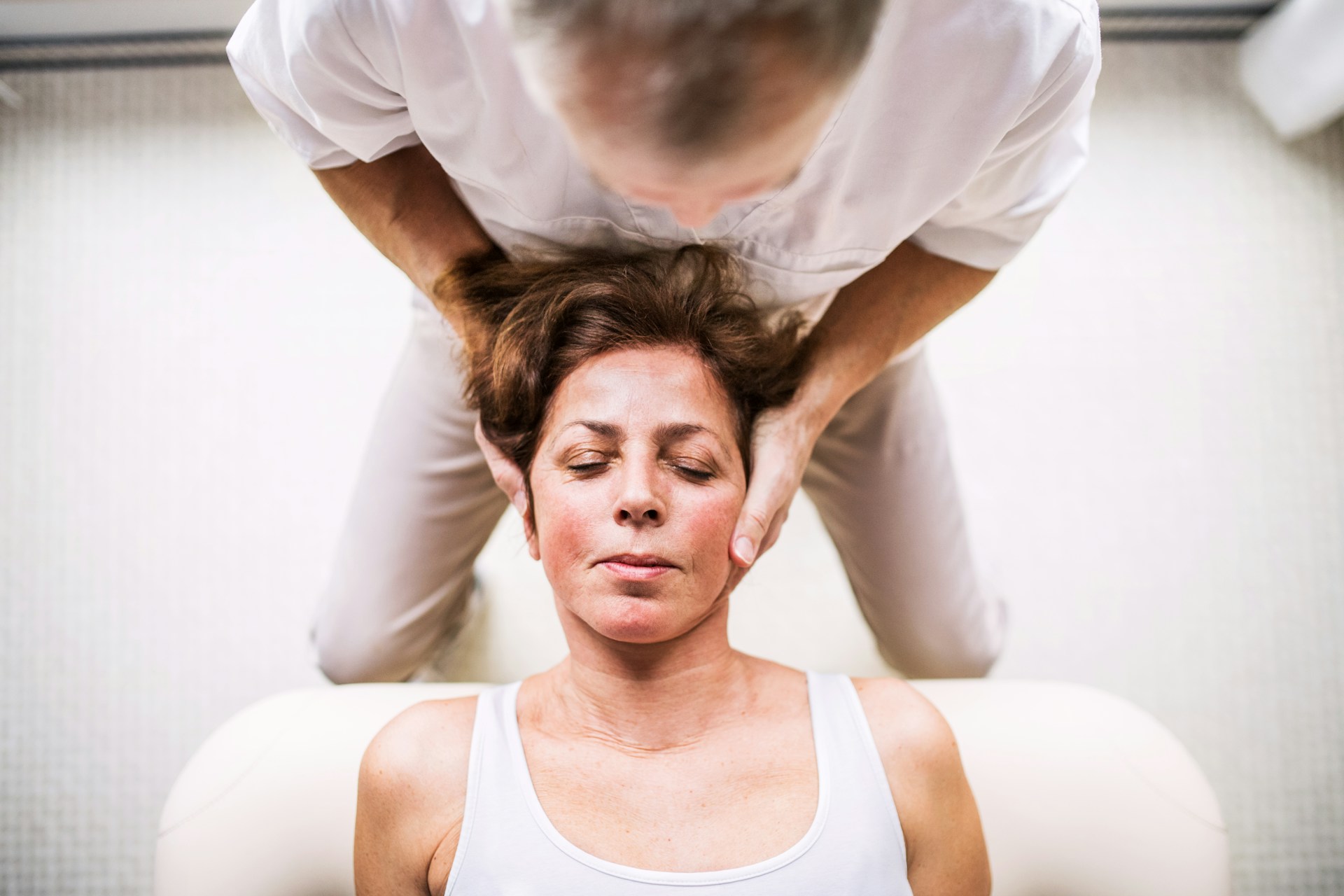
- Massage therapy can ease tight areas and improve circulation
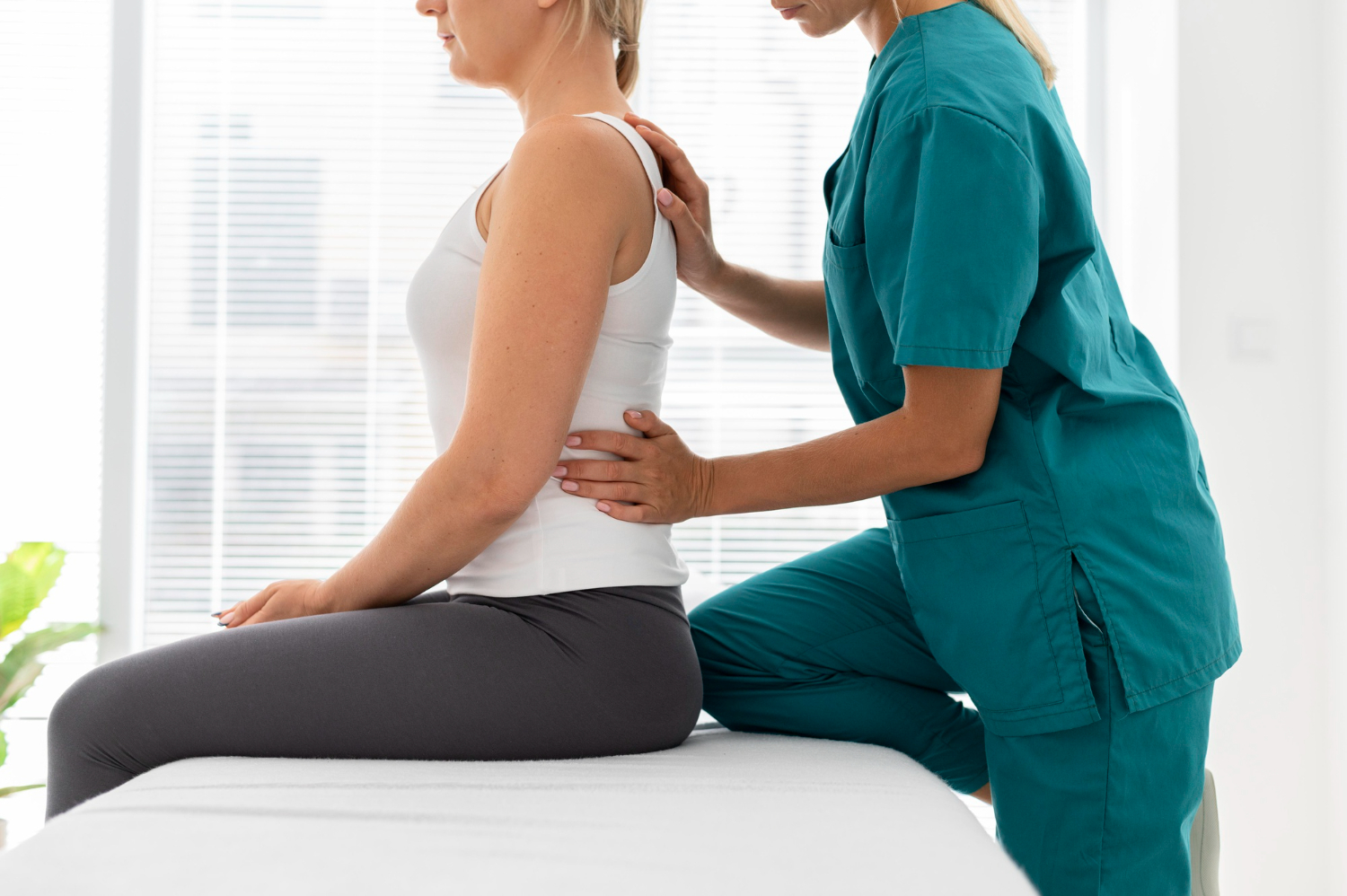
- Chiropractic care can help with alignment, posture, and balance
- Guided exercises or stretches can support strength and control without pushing too far
That’s how motor vehicle accident rehabilitation works over the long term. It’s meant to follow the body’s pace, building slowly from rest to resilience. Sessions may shift as the healing progresses, often starting with pain relief and ending with more active recovery.
Why Local Support in Toronto Makes a Difference
Recovering in Toronto comes with its own shape. People commute by foot, bike, or crowded transit. When sidewalks are icy, or the mix of slush and gravel makes walking unsteady, each step can become a challenge during recovery.
- Spring weather brings wet conditions that impact balance and lower leg support
- Sitting or standing for long transit rides can add tension to already sensitive areas
- Slippery spots and heavy bags can test core strength before the body is ready
Having access to ongoing care nearby makes a difference, especially when symptoms return or change. With Toronto’s pace, it’s easy to brush off a twinge or flare-up. But checking in before things worsen helps avoid longer setbacks.
Signs It’s Time to Check Back In
Some discomfort fades on its own, while other signs may stick around. It’s helpful to notice what’s there, what’s new, or what comes and goes. As spring activities grow, like packing away winter gear or dusting off a bike, fresh tension might return in areas that felt fine before.
- Pain in the neck, shoulders, or lower back that gets sharper over time
- Headaches that linger, especially after movement or long stretches of rest
- Weakness, tightness, or stiffness that holds back daily comfort
Not every ache needs urgent care, but some signals mean the body is still working hard to adjust. That can be especially true if the accident stirred up past issues like old injuries or postural imbalances.
Moving Forward with Confidence
No two people recover the same way after a collision, and no progress happens in a perfect line. Some days feel smoother, while others bring setbacks. That doesn’t mean something’s wrong. It just means the body is still learning to feel safe and steady again.
We believe recovery should feel like progress you can trust, not pressure to hurry. It helps to take notice of small wins, freer movement, steadier gait, easier breathing. When care, patience, and the right kind of support come together, recovery becomes less about fixing a problem and more about understanding how we move, live, and feel every day.
After an accident, it’s common to notice subtle changes in how you move or feel, even during everyday activities like walking, lifting, or resting. We’re here to help you with your recovery at your own pace with personalized guidance and care plans to make healing less stressful and keep you tuned in to your body’s needs. For support with motor vehicle accident rehabilitation, schedule your appointment with Back In Balance Clinic.