
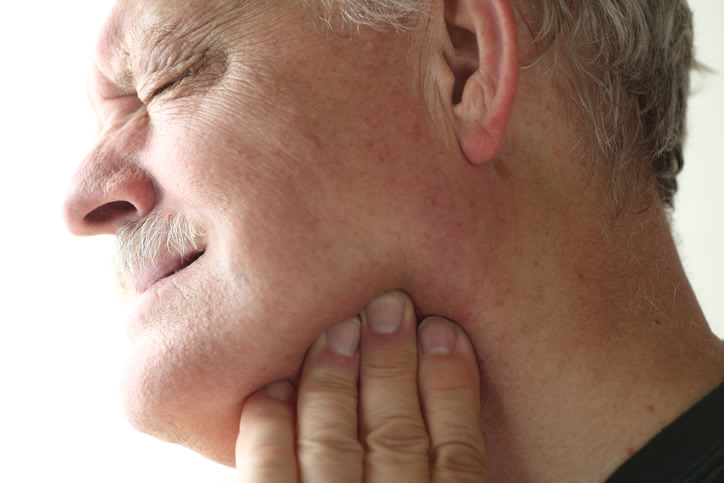
If you have experienced TMJ pain before, then you already know what it is. If you haven’t, then this blog post will provide you with important information about it.
First of all, what is TMJ?
TMJ is an acronym for the temporomandibular joint – an important joint formed by the skull and the jaw bone. The TMJ works like a sliding hinge and connects your skull to your jawbone. It allows you to open and close your mouth lets your jaw move smoothly when you are talking, chewing food, and yawning. One of the most common mistakes people make is calling TMJ pain just TMJ. Chiropractors and dentists refer to the pain in this area as a temporomandibular disorder or simply TMD.
What are the Possible Causes of TMJ Pain?
The bones of your joint are separated by a cartilage disc that keeps the movement of your jaw smooth. When muscles get irritated, joints can be displaced. If you are suffering from arthritis or another joint disease, the smoothness of your jaw movement may also be disrupted. You may notice signs of discomfort like muscle and joint tenderness, a popping or clicking sound, and even being unable to open your jaw wide. Your risk of developing TMD may also be increased by stress, jaw injury, and grinding or clenching of your teeth.
How Can TMJ Pain Be Managed?
There are a few conservative steps that you can take to address or even reverse TMJ-related pains. These steps include applying ice packs on the area regularly, eating softer foods, avoiding excessive jaw movements, practicing techniques to reduce stress and relax, and performing gentle jaw stretching to help increase its movement without straining it.
You can also try spinal manipulative therapy, as well as soft tissue massage, and certain exercises that have been proven to reduce TMD symptoms. Another tried and tested treatment that can give you relief is intraoral myofascial release which is a technique that certain healthcare practitioners, like chiropractors, can perform to release the muscles that are surrounding the TMJ, accessing those muscles from the inner side of the patient’s cheeks.
Whatever approach you choose to help alleviate pains in your TMJ – whether it be self-care, cognitive behavioural therapy, or perhaps co-management between your dentist and trusted chiropractor – what is important is that you know that there are options available to you that can definitely help with your problem. You should not just endure a TMJ pain and hope that it goes away. If you’re not sure as to which method will work for you, we can schedule an appointment for you and we can help you choose the approach that will work best for you.







Leave A Comment
You must be logged in to post a comment.