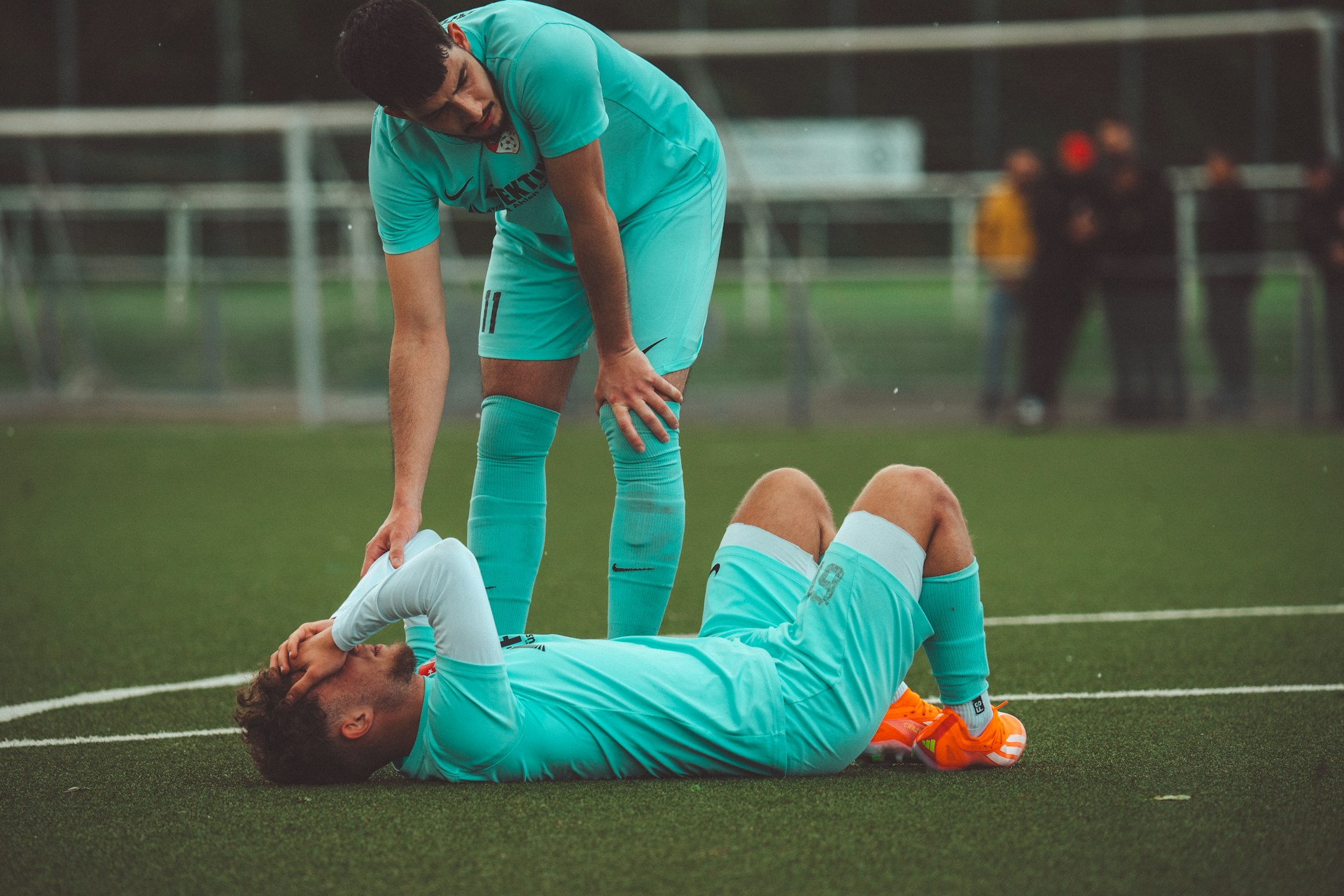
When someone hits their head, even if it seems small, it can leave them feeling off. In Toronto, we see concussions happen more often during the winter when sidewalks are icy or after sports games with hard contact. Car accidents, bumpy falls, or even a rough tumble on the ice can all lead to a concussion.
A concussion changes how the brain works, at least for a little while. That’s why so many people look into concussion therapy in Toronto. They’re trying to feel better but aren’t sure what comes next or what kind of help they need. If you’re wondering what therapy looks like, what it helps with, or when to go, this article walks through those common questions in simple and clear terms.
What Is a Concussion and How Does It Happen
A concussion is a type of brain injury. It happens when the brain gets shaken inside the skull. This can come from a hit to the head or even a hard jolt to the body. You don’t need to black out for it to be a concussion, and sometimes the signs don’t show up right away.
In Toronto, we see concussions often during colder months. Slips and falls on ice are a big one. So are car crashes on slick streets or even knocks from playing hockey or other sports. It can happen at work or just walking near your building when the ground is uneven.
After a concussion, the brain might not process things properly for a bit. People report feeling foggy, slow, dizzy, or unable to focus. That’s why it’s important to take these injuries seriously, even if the bump or fall didn’t seem like a big deal at the time.
What Can Concussion Therapy Help With
A lot of people aren’t sure what therapy does for a concussion. The answer depends on how the person is feeling and what symptoms they’re dealing with.
Some of the most common signs that linger after a concussion include:
- Headaches or neck pain
- Trouble focusing or thinking clearly
- Dizziness or balance issues
- Feeling tired all the time or needing more sleep than usual
- Mood changes, like feeling irritable or down without knowing why
Therapy is there to help guide the brain and body back to feeling more balanced. The goal is not just to reduce discomfort, but to support brain function and ease day-to-day tasks.
Everyone heals at their own pace. That’s why therapy is made to respond to what your body needs. Some people recover quickly. Others notice that doing regular things like reading or taking public transit feels harder than it should. No matter what stage someone is at, small steps in therapy can help reduce those difficult moments.
At Back In Balance Clinic, concussion management care may involve a multidisciplinary approach, combining chiropractic assessment with gentle manual therapy, soft tissue techniques, and therapeutic exercises to match the stage of recovery. We also support coordination with other healthcare professionals, ensuring a holistic approach to your healing process.
What Happens During a Concussion Therapy Visit
It’s normal to feel a little nervous before a first visit. Most people just want to know what’s going to happen when they walk in. The short answer is that a therapist will ask questions about how you feel, when the injury happened, and what types of problems are sticking around.
Depending on what shows up during that first check-in, the next steps can include:
- Light exercises to support balance and coordination
- Gentle neck or shoulder care if there’s muscle tension
- Breathing work or guided movement to help with dizziness
- Strategies for managing light, screens, or noise if they trigger symptoms
Nothing should feel rushed or uncomfortable. Every step is guided by how the person feels that day. If something’s too much, it gets adjusted. The goal is to lower the brain’s workload, one visit at a time, so it can heal properly. It’s all about helping people feel a bit more like themselves.
When Should You Consider Getting Help
It’s not always easy to tell when to get help after a head injury. Some people expect the fog or fatigue to pass in a few days. Others notice symptoms weeks later and only then realize something’s off.
Here are some signs that it might be time to reach out for help:
- You’re still getting headaches or dizzy spells long after the accident
- You can’t focus like you used to at work or school
- Everyday movements, like walking or reading, seem harder
- You’re feeling low, stressed, or not yourself for longer than expected
Even if the concussion seemed small at the time, it’s better not to wait too long. Support can help stop symptoms from getting worse or dragging out. The earlier therapy begins, the easier it usually is to help the brain feel more stable again.
Regaining Confidence in Your Recovery
Concussion symptoms can sneak up on people. Sometimes the signs are clear, and other times they’re more quiet, like just feeling off for no obvious reason. That’s why getting support can be important, even if the injury didn’t feel like a big deal.
Therapy isn’t just for hockey players or people recovering from major accidents. It’s for anyone who’s struggling to bounce back from a hit to the head, whether it happened during a winter slip, a minor fender bender, or something at home. Concussion therapy in Toronto offers a way to feel more in control of your recovery, one step at a time. When everyday things feel harder than usual, it’s a sign your brain might need extra care. Getting that care can help you move forward again.
Many people face lingering challenges like brain fog, soreness, or difficulty concentrating after a head injury, whether from a car accident, a winter slip, or another cause. Getting the right support early can make a real difference in your recovery, especially for day-to-day activities. At Back in Balance Clinic, we guide you through every stage and invite you to learn how we support people through concussion therapy in Toronto and what to expect. When you’re ready for extra support, reach out to schedule your check-in.