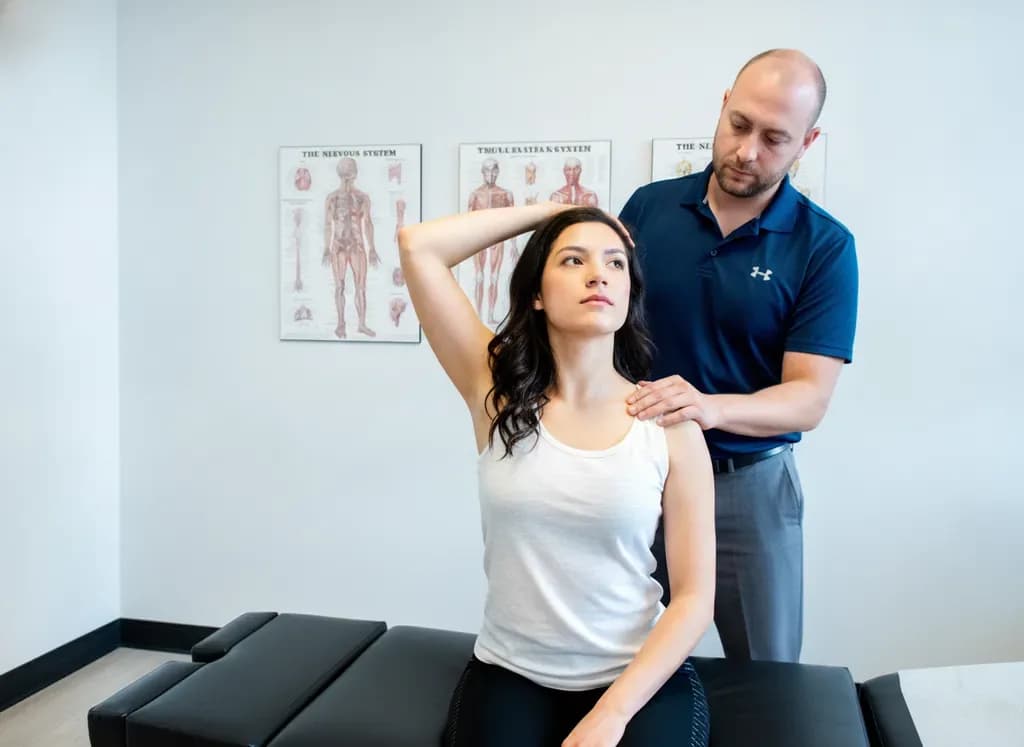
Neck Pain
Tech neck, postural neck pain, cervicogenic headaches, post-whiplash recovery, and pinched-nerve symptoms, assessed and treated with the same expert rigour we bring to low back pain.
Read the guide
BACK IN BALANCE Clinic at 2 Carlton St. in downtown Toronto treats neck pain, headaches that start in the neck, whiplash and concussion. Our chiropractors assess the neck, balance, vision and exercise-tolerance systems in one appointment, because these problems travel together, then build an active, staged plan back to work, school or sport. In-clinic and virtual concussion assessments are both available.
Medically reviewed by Dr. Matthew Serrick, BSc (Hons), DCLast updated September 2026
Neck, headache and concussion symptoms overlap: a neck injury drives headaches and dizziness, and a concussion strains the neck, so BACK IN BALANCE assesses both rather than picking one.
Concussion rehab at BACK IN BALANCE is active care — early sub-symptom aerobic exercise, targeted vestibular and eye-movement work, and a graded return to activity, not a dark room.
A concussion initial assessment at BACK IN BALANCE is 75 minutes and $185 in clinic, or $175 for a 75-minute telehealth assessment with Dr. Steven Murray.
Return-to-sport, return-to-learn and return-to-work letters are written from your own assessment findings at BACK IN BALANCE, not from a generic template.
Concussion, whiplash or neck pain that started in a car accident or at work is billed to that insurer directly — our accident care pages cover how each claim works.
Pre-season baseline testing at BACK IN BALANCE records how an athlete performs on balance, eye-movement, reaction and symptom measures while healthy, so a later concussion is judged against their own numbers instead of a population average.
Every one of these has its own guide — start with whichever sounds like you.
Tech neck, postural neck pain, cervicogenic headaches, post-whiplash recovery, and pinched-nerve symptoms, assessed and treated with the same expert rigour we bring to low back pain.
Read the guide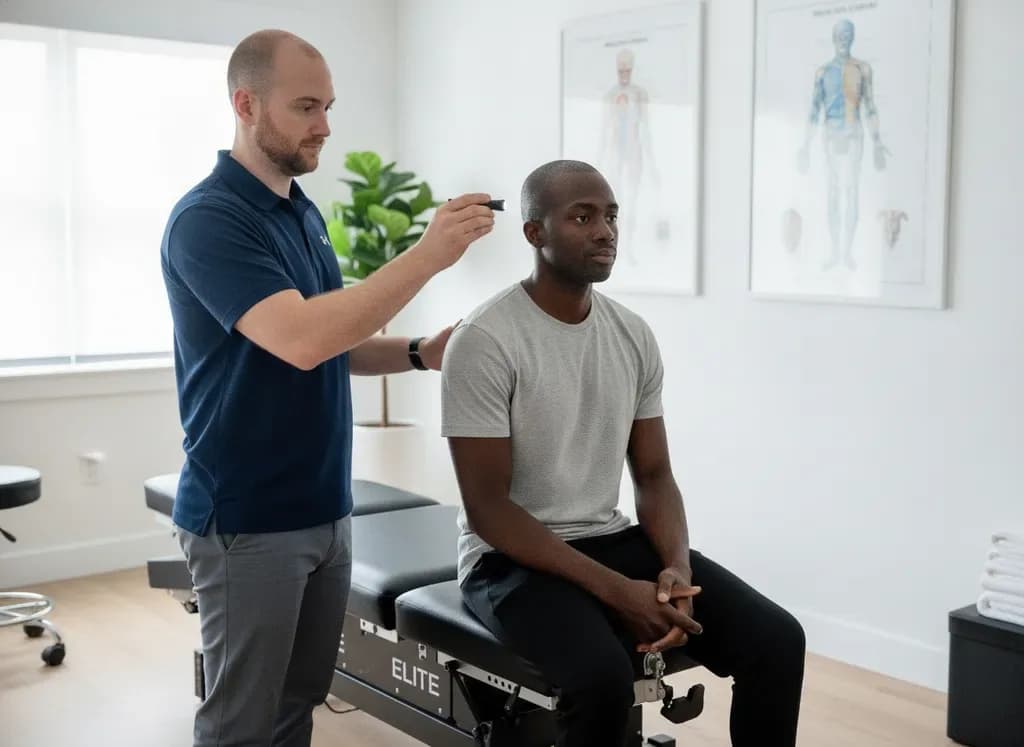
Multi-phase concussion rehabilitation, vestibular, cervical, oculomotor, and graded return-to-activity. Care from the first 72 hours through full return-to-sport, with clearance testing for return to sport and baseline testing at the start of the season.
Read the guide| What you feel | What it often points to | Start here |
|---|---|---|
| A stiff, sore neck after long days at a screen | Postural or tech-neck strain | Neck Pain |
| Headaches that start at the base of the skull or on one side of the neck | Cervicogenic — a neck-driven headache | Neck Pain |
| Headache, fogginess, light sensitivity or dizziness after a hit to the head | Concussion | Concussion |
| Symptoms still there more than four weeks after a concussion | Persistent post-concussion symptoms — a case for structured rehab | Concussion Management |
| Neck pain, headaches or dizziness that started after a collision or a workplace injury | Whiplash-associated disorder, with an insurance claim behind it | Accident Care |
| Pain, pins and needles or weakness running into the arm or hand | Nerve irritation in the neck | Advanced Spine Care |
What we'll typically pull from when we build your plan.
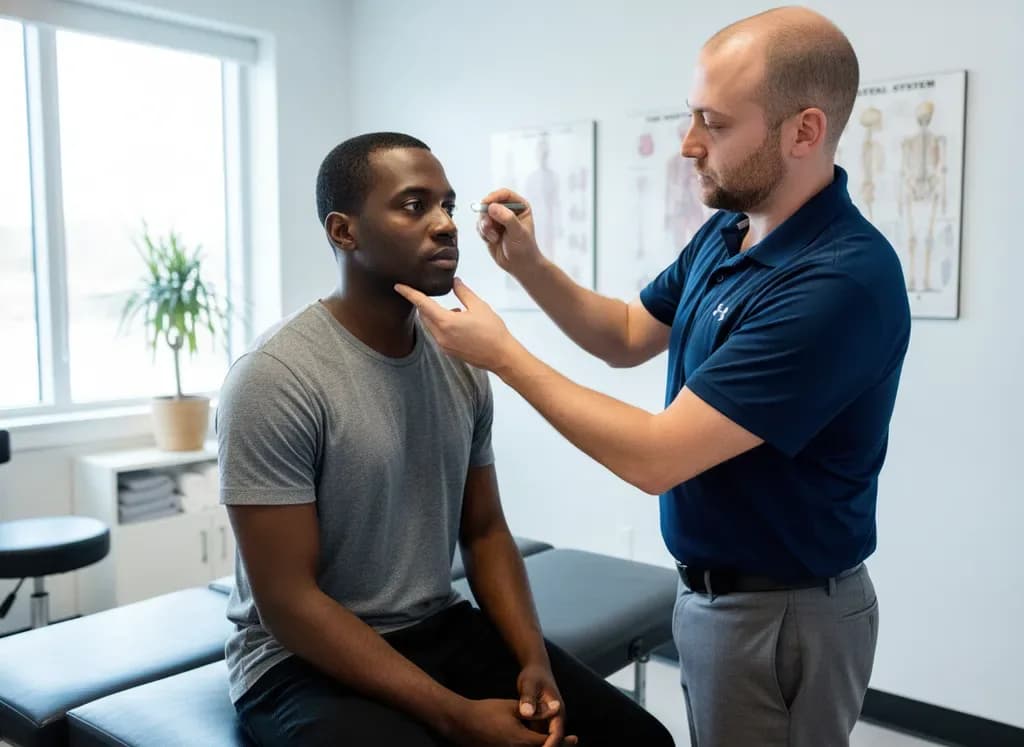
Concussion assessment, baseline testing, and multi-phase rehabilitation in downtown Toronto, vestibular, cervical, oculomotor, and a graded return to activity in one place.
Learn more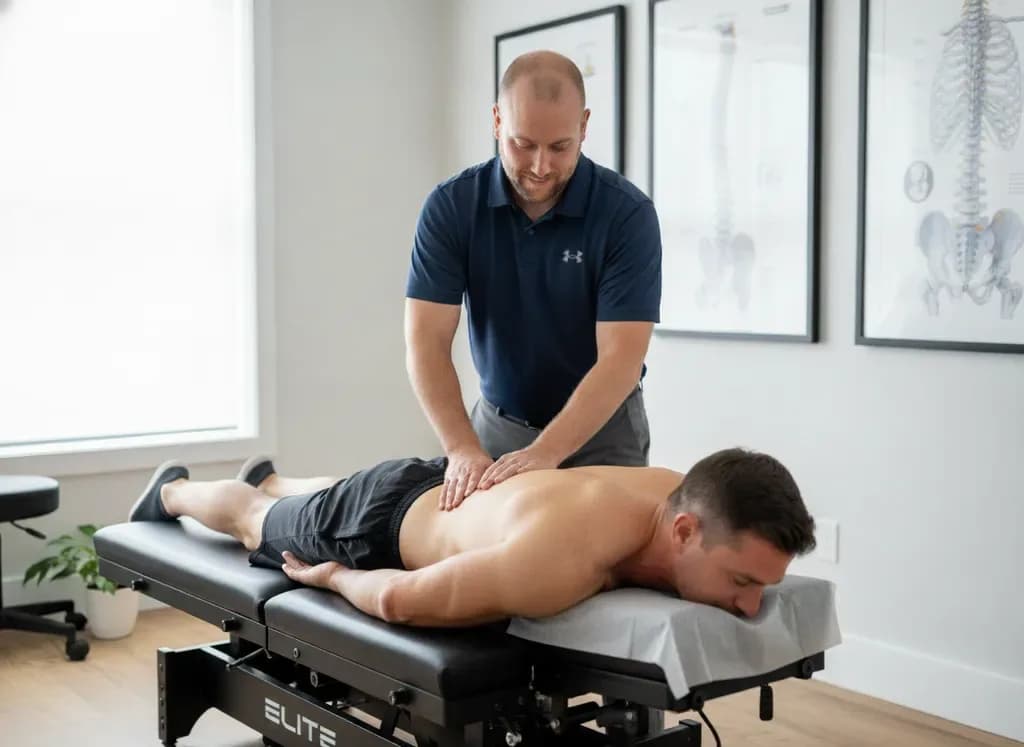
Hands-on chiropractic care for back, neck, and joint pain, adjustments, mobilizations, soft tissue work, and rehab exercises tailored to your assessment.
Learn more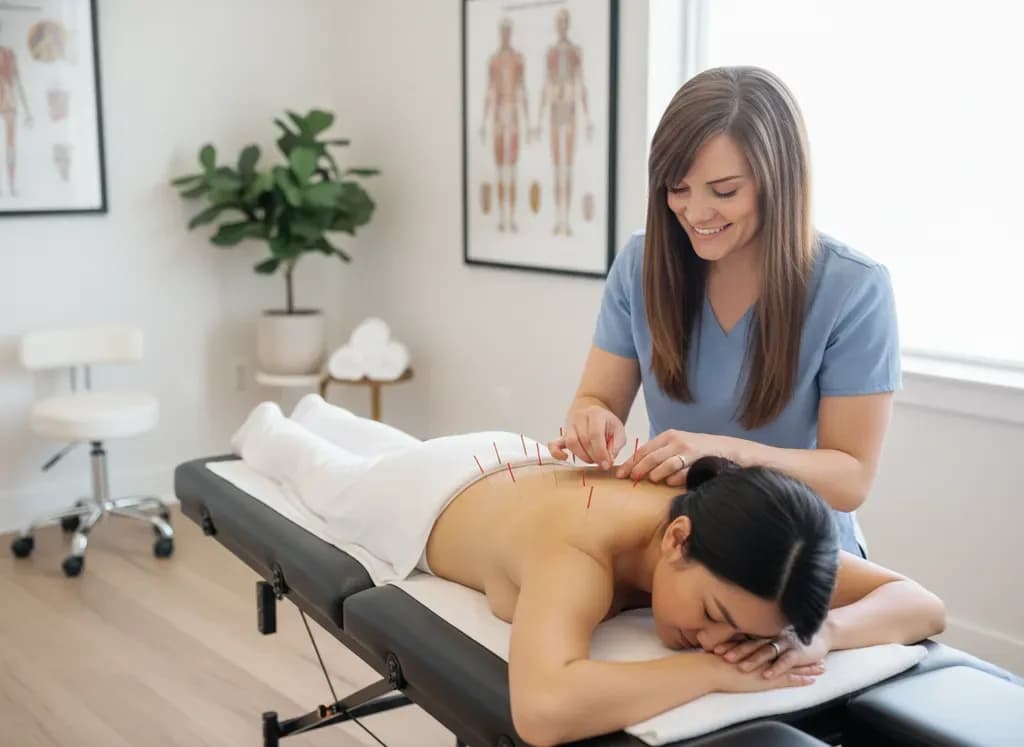
Contemporary medical acupuncture for musculoskeletal pain, headaches, and trigger-point dysfunction. Performed by a chiropractor with formal acupuncture training.
Learn more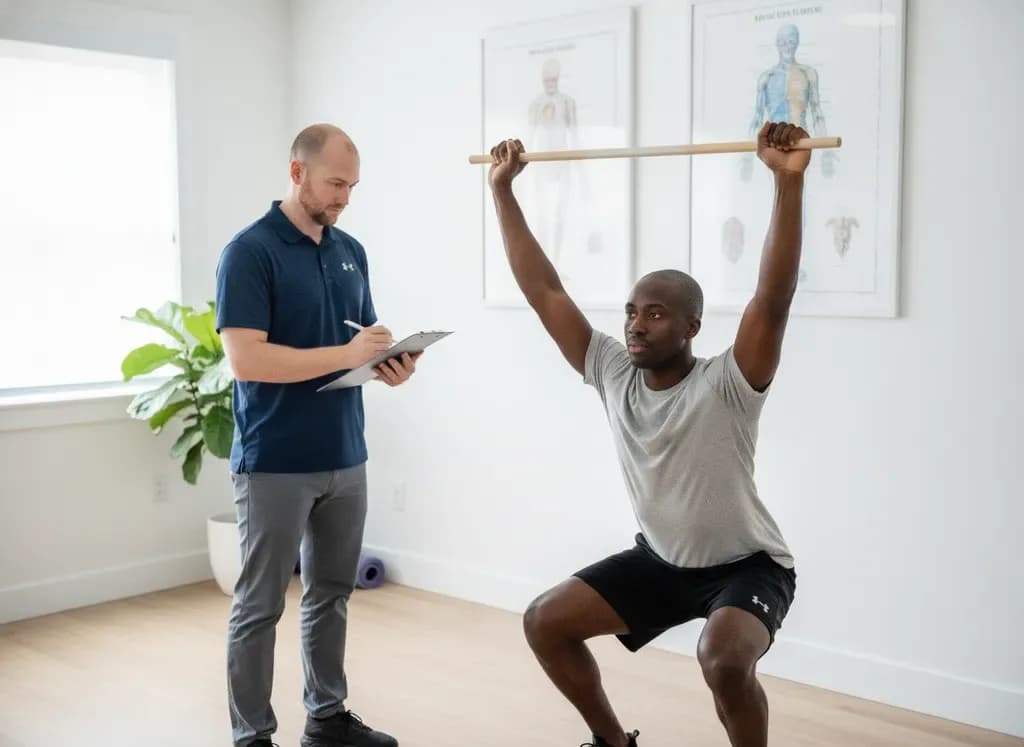
A structured, whole-body movement screen that scores how you squat, lunge, reach, rotate, and balance, so we can find the mobility restrictions, asymmetries, and stability gaps that quietly drive injury and cap performance.
Learn moreThe old advice after a head injury was to rest, avoid screens and wait it out. Past the first day or two that is now considered unhelpful. Consensus guidance supports relative rest for 24–48 hours, then light, symptom-guided activity aimed at the systems the injury disrupted rather than at the diagnosis in general.
So the assessment comes first, and it is deliberately wide. A headache four weeks after a collision can come from an irritated upper neck joint, from a vestibular system that no longer likes busy rooms, or from both. What the screen finds is what the plan treats: manual therapy for the neck, graded gaze and balance work for the visual and vestibular side, and a paced aerobic progression kept under your symptom threshold.
From there it is staged, one stressor at a time — reading before screens, walking before running, training before contact. We progress when a stage is tolerated, not on a calendar, and a plan that stalls gets reassessed rather than repeated. Letters for sport, school and work come out of your own findings, and where the goal is contact sport a functional movement assessment can sit at the end of that progression.
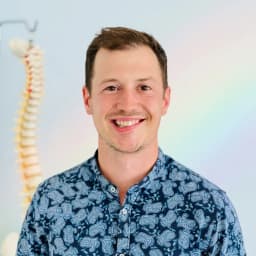
BSc (Hons), DC
Leads neck, whiplash and concussion care, with focused training in concussion and mild traumatic brain injury management, and in work disability prevention.
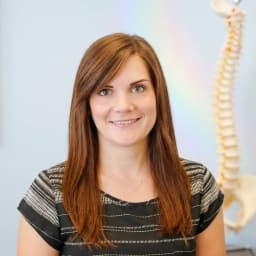
DC, MSc, BSc
Concussion management and the virtual assessments and follow-ups, with an MSc in exercise physiology behind the graded exertion side of the plan.
BA, DC, Contemporary Medical Acupuncture
Contemporary medical acupuncture, certified through McMaster University, for tension headaches and persistent neck pain alongside her chiropractic caseload.
Book online or call and describe it in your own words — a neck ache from desk work, headaches you can't place, a hit to the head at practice. If you don't know whether it's a neck problem or a concussion, say so. That is what the assessment sorts out.
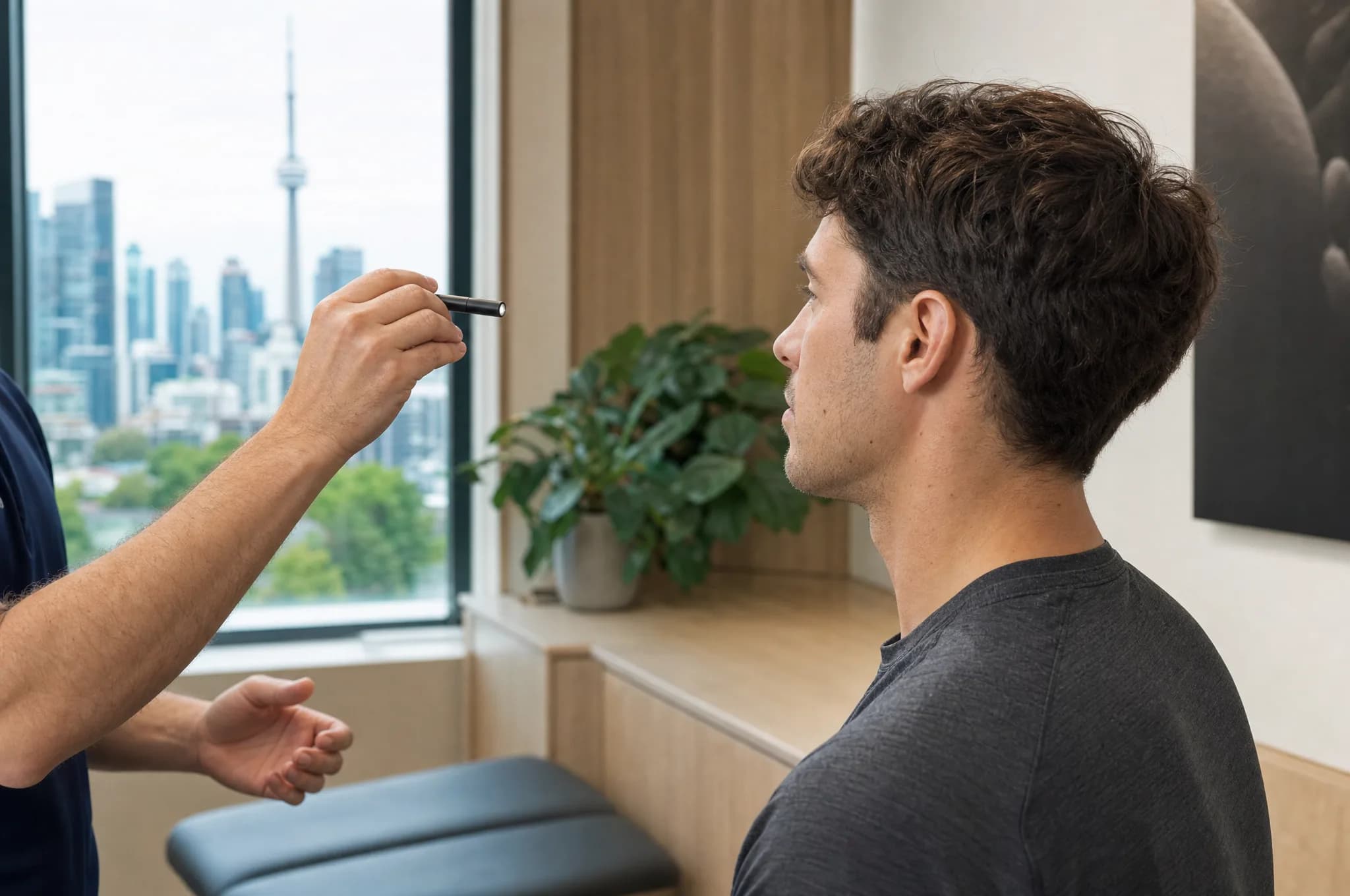
Your chiropractor takes the history, then examines the neck and screens the balance, eye-movement and exertion-tolerance systems. You'll hear what each test shows as it happens. Anything that needs medical investigation or imaging is referred out the same visit rather than treated here.
You get treatment and a written plan the same visit: what to do this week, what unlocks the next stage, and when to check back in. We direct-bill most major insurers, and auto and workplace claims are billed to those insurers directly.
We direct-bill most major insurers in Ontario. Fees effective September 2026.

Screens can trigger headaches, eye fatigue, dizziness and brain fog after a concussion. This practical four-stage plan explains how to reduce screen exposure initially, rebuild tolerance and return to normal use.
Read the article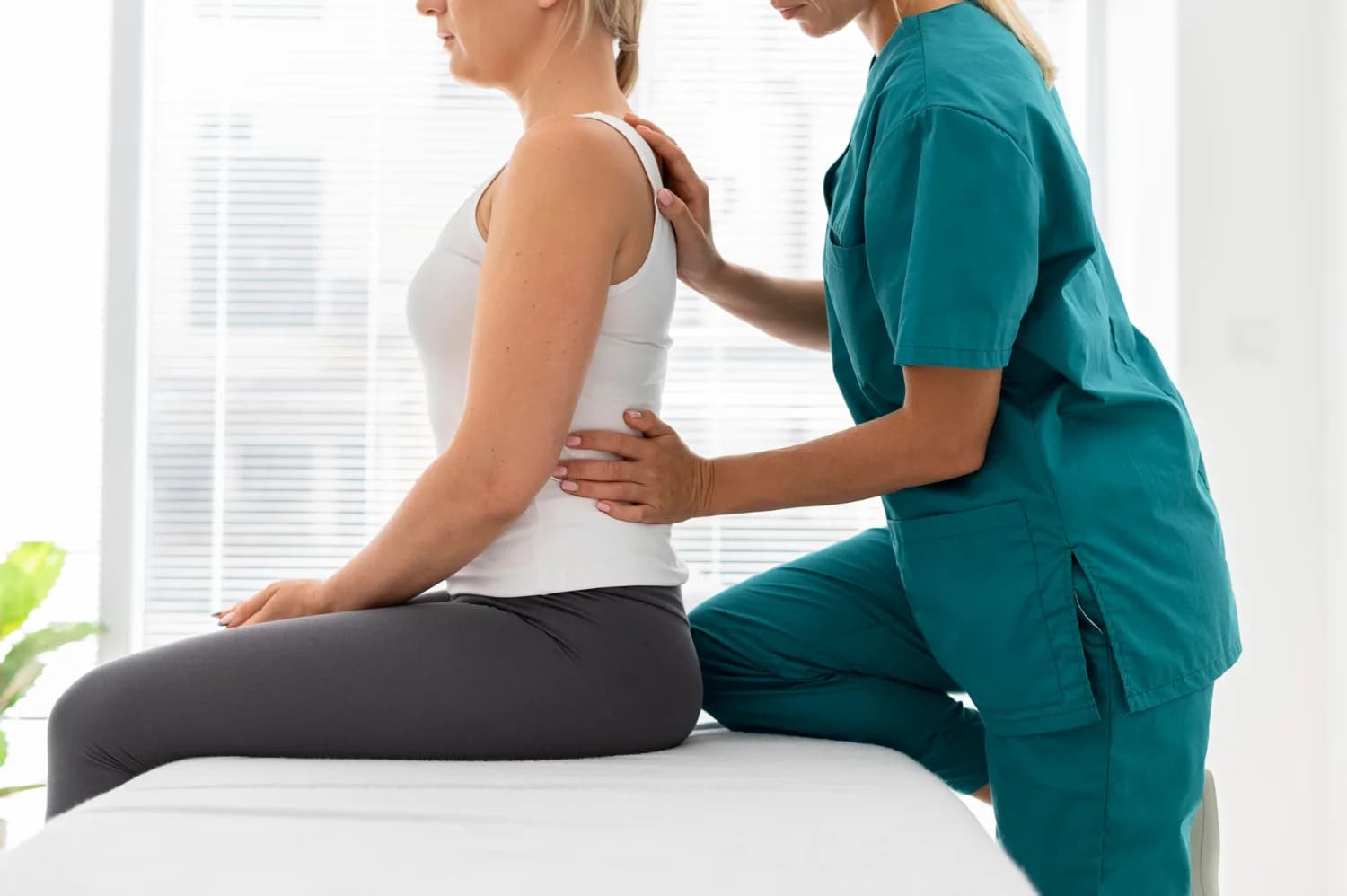
Learn how motor vehicle accident rehabilitation in Toronto helps guide recovery from stiffness, pain, or setbacks after a collision, one step at a time.
Read the article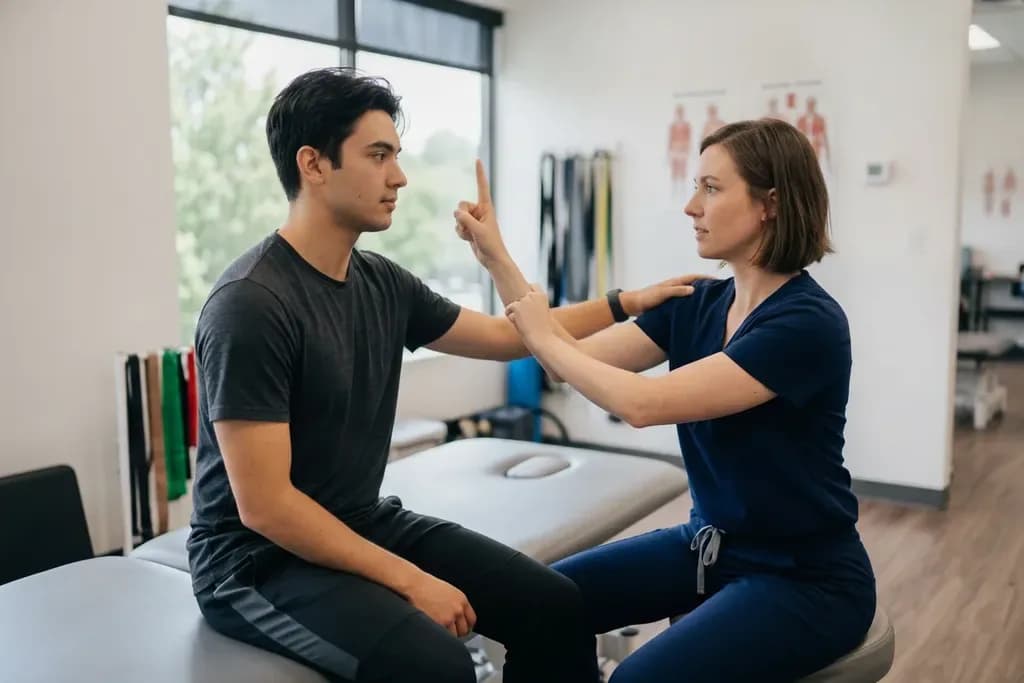
Learn when symptoms might point to something more serious and how timely concussion treatment in Toronto can support your recovery this winter.
Read the article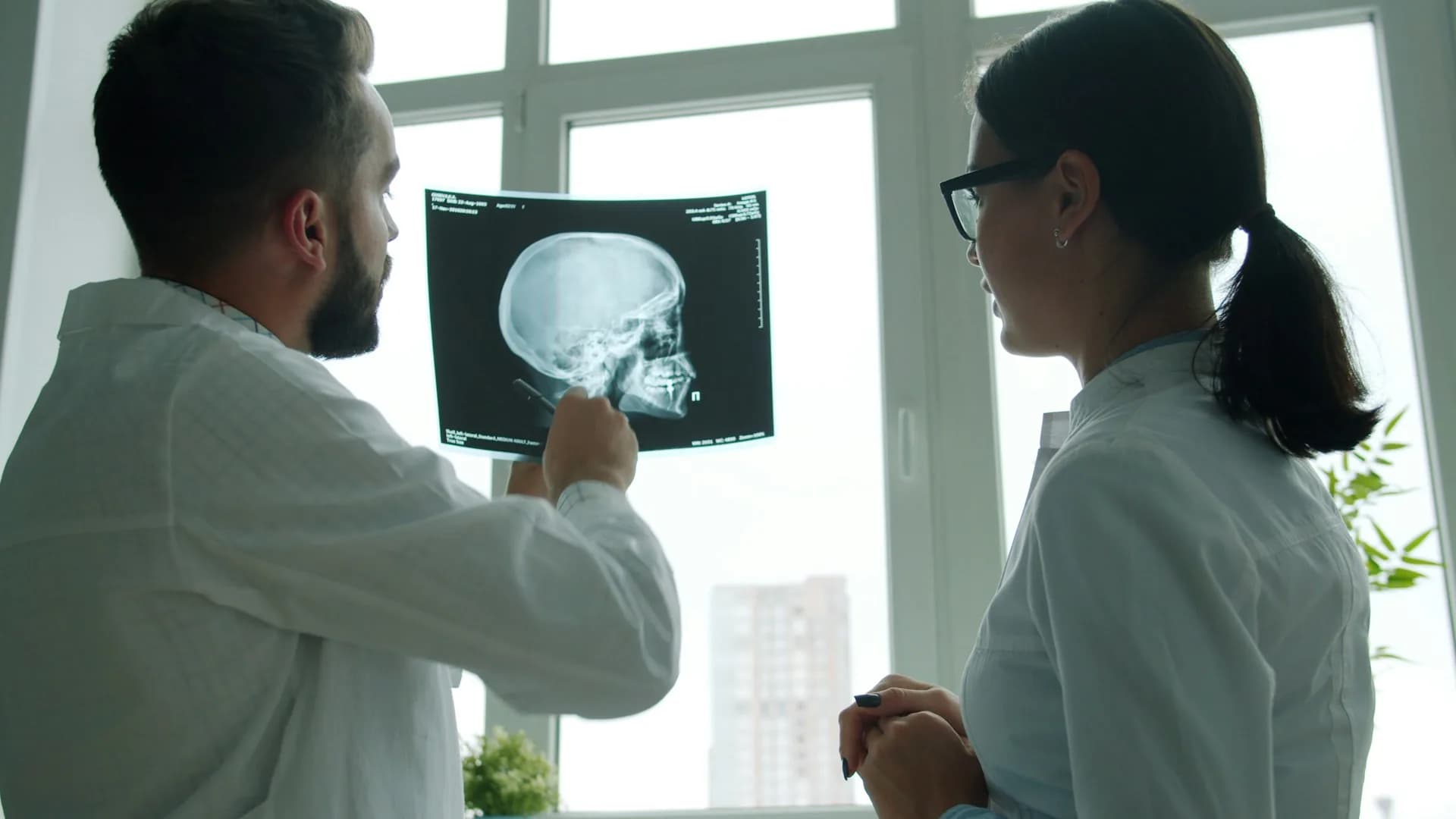
Not sure what to expect with concussion therapy in Toronto? Learn how treatment can support healing and help you get back to your routine.
Read the article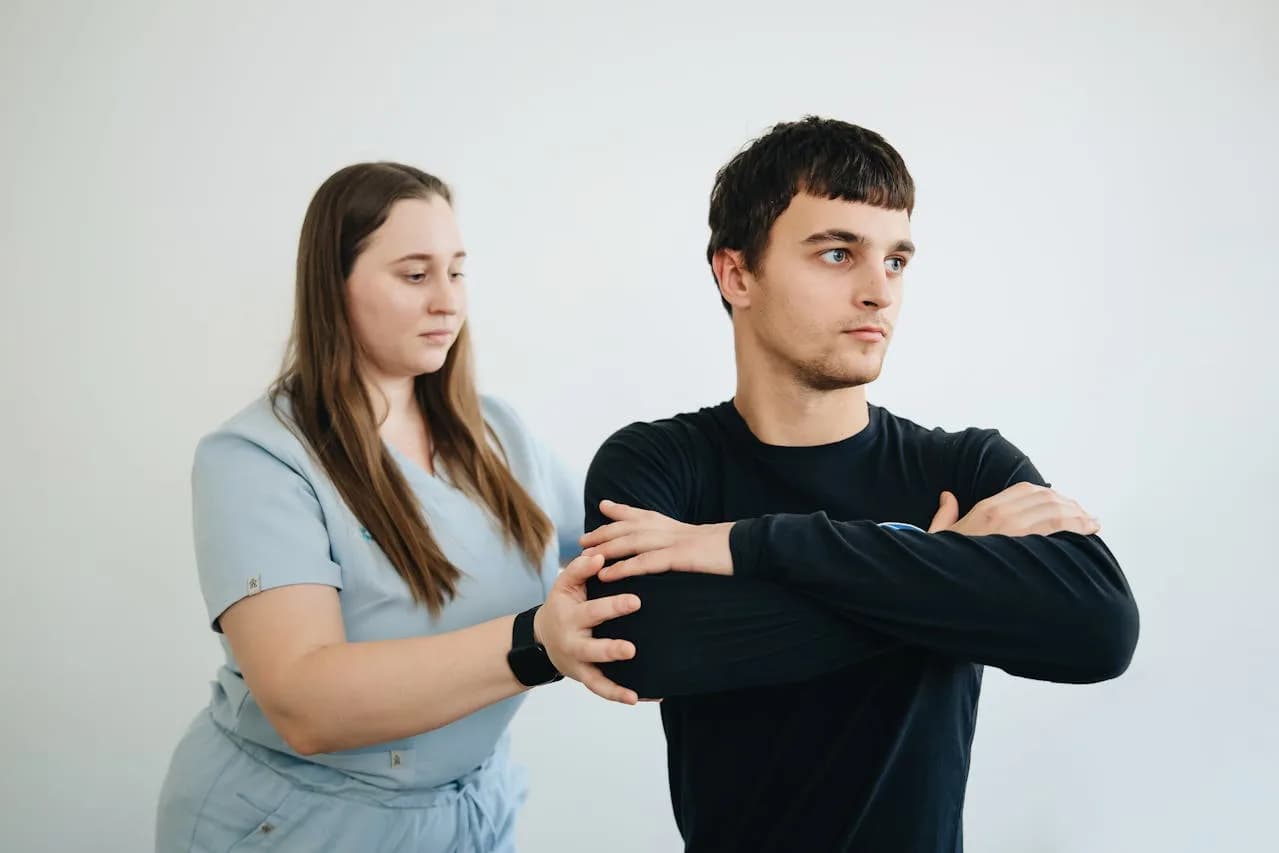
If you’ve had a recent bump or fall in Toronto, a concussion therapy specialist can help you spot delayed symptoms and start the right kind of care.
Read the article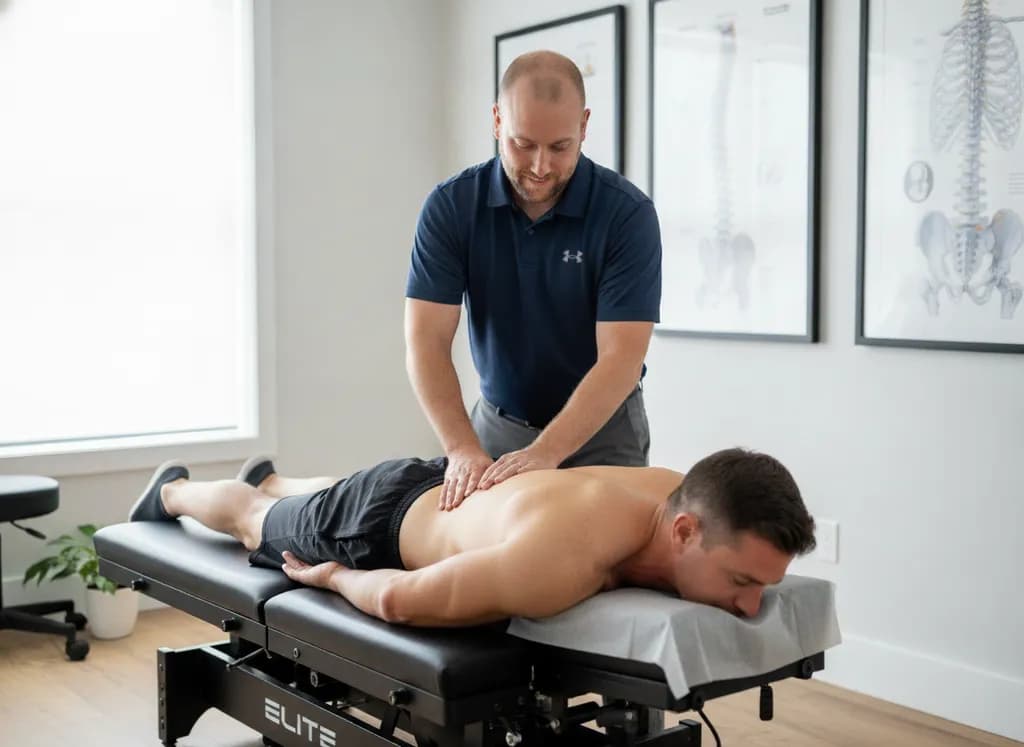
Learn how concussion management in Toronto helps after slips, car bumps, or sports injuries when winter makes recovery harder. Here's what to watch for.
Read the articleA few words from people we've helped get back to what they love.
“Steps from College station and they direct-bill my insurance, so it's an easy visit. Real assessment, no pressure, and a plan I could actually follow at home.”
“I saw Dr. Clarke through my pregnancy for pelvic pain. Gentle, knowledgeable, and reassuring the whole way. It made a real difference to how I felt day to day.”
“Booked for a running gait analysis before a half marathon. The video breakdown of my stride was eye-opening and the exercises sorted out the knee pain that kept derailing my training.”
Tell us what's going on and the front desk will match you with the right head, neck & concussion practitioner.