Do You Have to Get Adjusted at the Chiropractor?
No. You do not have to get adjusted at the chiropractor. Spinal manipulation is one treatment option among many, not the definition of chiropractic care or a requirement of every appointment.
A good chiropractic treatment plan should start with the problem you want help with, your examination findings, your goals and your treatment preferences. Sometimes spinal manipulation is a reasonable addition to a well-constructed treatment plan. Sometimes another treatment makes more sense. You can also always decline an adjustment, including a neck adjustment, even if your chiropractor recommends that it may be beneficial to your condition. There are no spine conditions where spinal manipulation is the only treatment option.
There is a persistent misconception in the general population about how chiropractors treat spinal pain: that every person who visits a chiropractor must be “out of alignment” and needs to be cracked back into place. Spinal manipulation can be used as a part of a treatment plan, but it is not putting anything "back in place" and it is certainly not absolutely necessary for your condition to improve.
What does it mean to get adjusted?
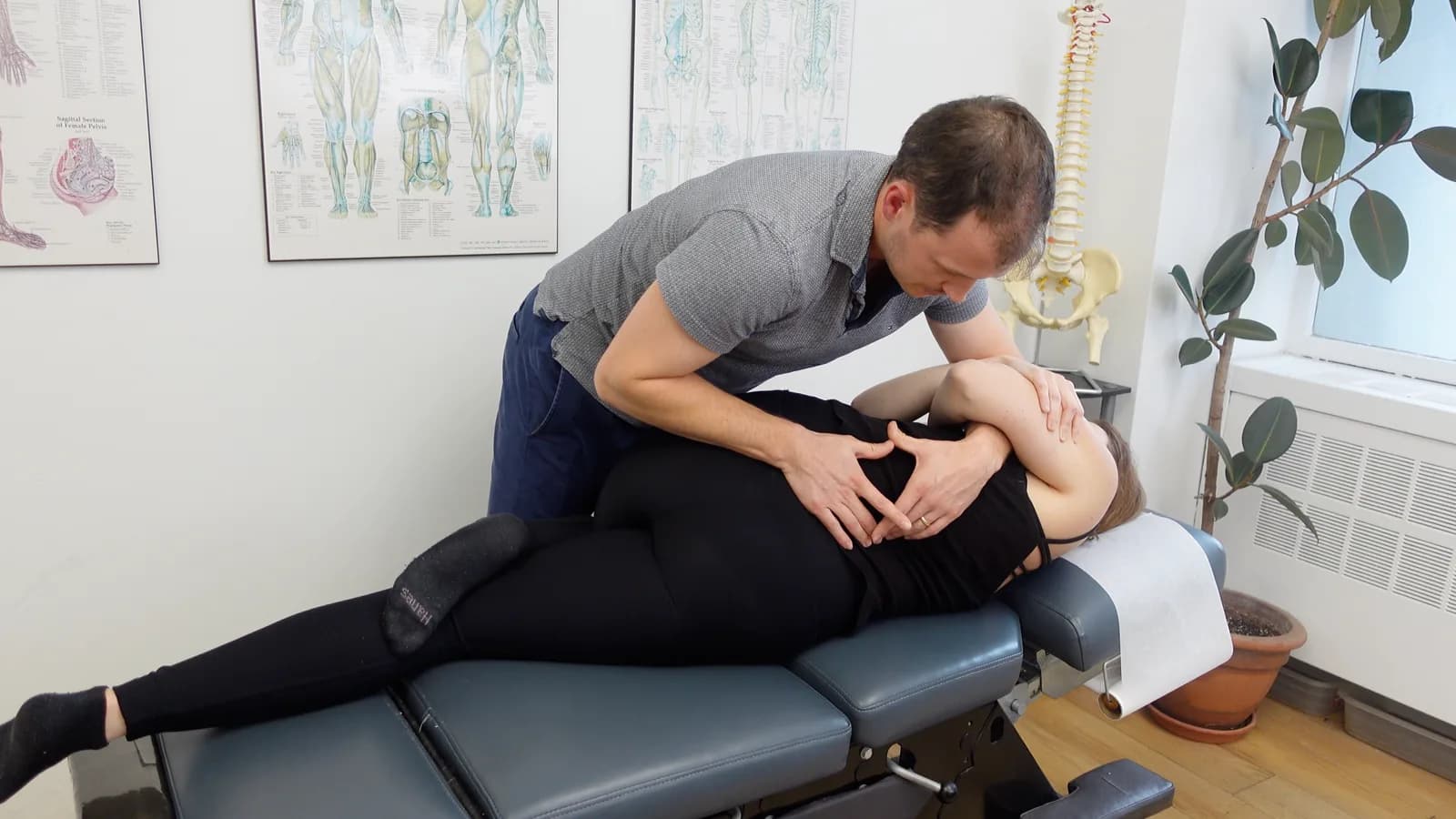
In most conversations, an “adjustment” refers to spinal manipulation. This is a high-velocity, quick, controlled thrust applied to a joint over a small range of motion. In addition to manipulations, chiropractors can also use spinal mobilizations, which involves slower movements performed within a joint’s available range which generally do not pop but are also clinically therapeutic.
A manipulation sometimes produces an audible "pop" when the trust is applied. That sound is associated with a rapid pressure change and air cavity formation within the joint. It is not evidence that a vertebra was out of place or that the treatment succeeded. Research has not found better pain outcomes when a pop occurs. This is why both manipulation (with the pop) and mobilization (without the pop) are both seen to be clinically useful.
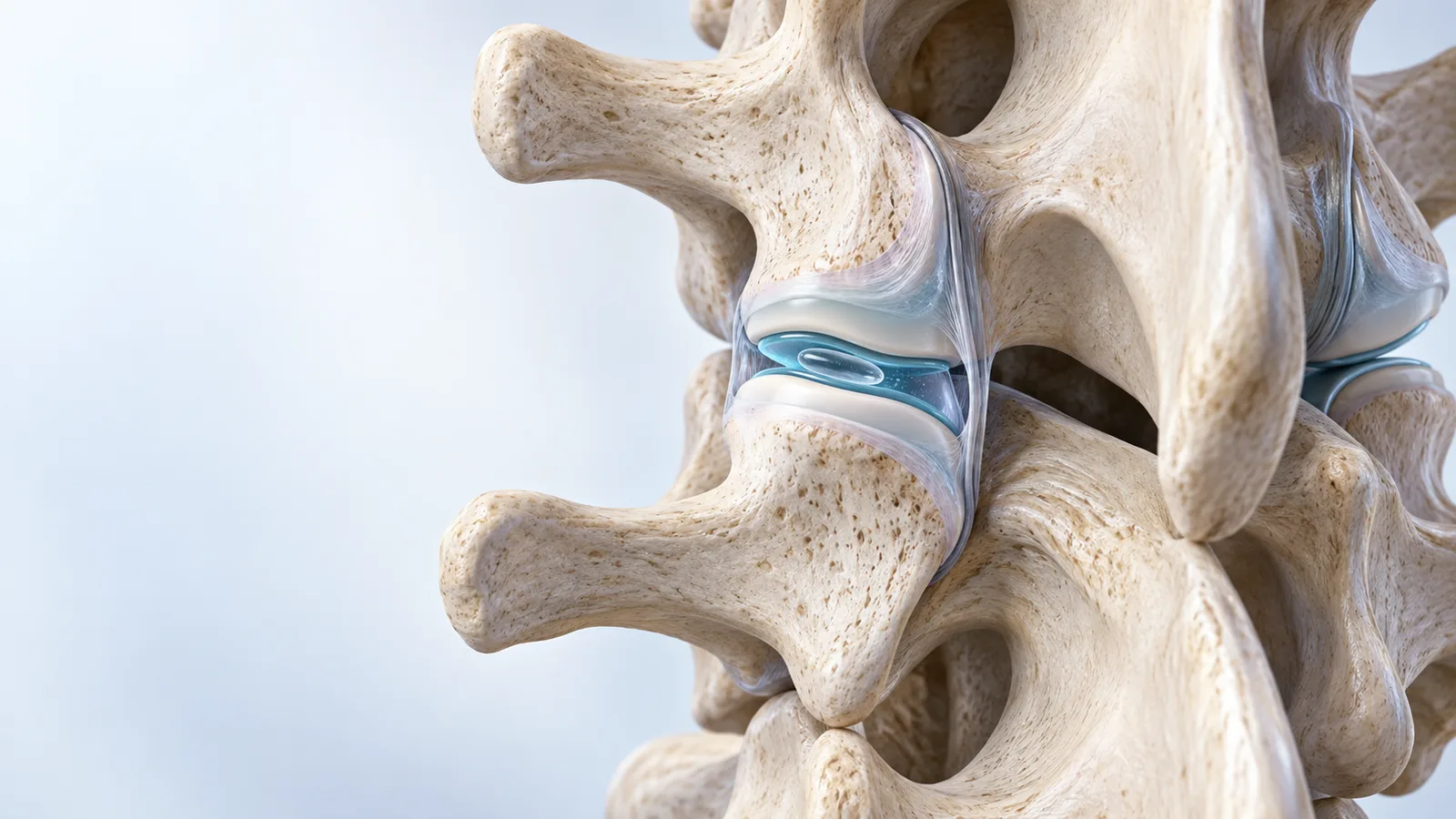
The effects of both manipulation and mobilization have also been shown to be less mechanical than the “realignment” explanation suggests. Manipulation may temporarily change pain sensitivity, muscle activity, movement tolerance or perceived stiffness to the joints and muscles in the targeted area. However, responses are multifactorial and patient- specific so there is no single accepted mechanism that explains every response.
That does not make the treatment useless. It just means we should describe it accurately.
When might spinal manipulation be useful?
Spinal manipulation is most often considered for musculoskeletal complaints of the spine such low-back or neck pain. The practical goal of manipulation is usually short-term improvement in pain, stiffness, range of motion, function or confidence with movement.
The research evidence suggests that manpilation neither “fix everything” nor “do nothing.” The updated 2026 Cochrane review of spinal manipulation for chronic low-back pain found small average improvements compared with sham treatment and somewhat larger improvements compared with no treatment. Compared with other conservative treatments, the average differences were small.
For neck pain, a 2025 systematic review found that high-quality clinical guidelines consistently recommended manipulation or mobilization, commonly alongside exercise.
In clinic, I consider spinal manipulation when:
- the presentation is appropriate and no meaningful contraindication is identified;
- short-term symptom relief could help the person return to activity or participate in rehabilitation; and
- the patient understands the benefits, limitations and alternatives, and wants the treatment.
- the patient wants to have manipulation performed on the target area.
Manipulation is best considered a symptom-modifying tool. If it creates a window in which someone can move more comfortably, tolerate exercise or resume an important activity, it may have value. However, it should not automatically become the entire plan.
Who may not benefit from an adjustment?
When limited mobility is not the problem
Not every painful area needs more movement. A person may have full mobility but lack strength, load tolerance or coordination. Someone with recurring low-back pain during deadlifts may need changes to training volume, technique or trunk and hip capacity rather than more passive mobility from a spinal manipulation.
Poor recovery, a sudden activity increase, work demands, sleep, stress or concern about damage can also influence pain. Manipulation may change symptoms without addressing the main factor keeping the problem going.
When a person is hypermobile
Generalized joint hypermobility is not an automatic contraindication to every form of manual therapy, but it should change the clinical reasoning.
If a joint already moves excessively, trying to create more movement may be poorly matched to how the problem is contribution to symptoms. Treatment may be better directed toward strength, proprioception, motor control and load tolerance. Forceful manipulation warrants particular caution when hypermobility is associated with a connective-tissue disorder, tissue fragility or suspected upper-cervical instability.
Evidence in this area is limited. There is no strong basis for saying every hypermobile person must avoid all manipulation, but there is equally little justification for treating mobility simply because a joint can be manipulated. The location, symptoms, medical history and intended benefit matter.
When it has not produced a meaningful result
A treatment does not become appropriate through repetition alone. If manipulation produces no useful change, or only a brief change that does not help the person function better, the plan should be reconsidered. Reassessment is more defensible than continuing because “that is what chiropractors do.”
When the patient does not want it
Some people dislike the sensation or sound. Others have had a poor previous experience, are uncomfortable with a particular technique or simply prefer another approach. Those are legitimate considerations.
In Ontario, consent must be informed and voluntary. The consent discussion with your chiropractor should cover the proposed treatment, its rationale, material risks, alternatives and the likely consequences of declining it. Consent is ongoing, so you can change your mind at anytime. You can try it today and never again, you can skip it now and try it next time. It is always up to you.
When the history or examination raises a safety concern
Manipulation may be inappropriate with concern about fracture, instability, infection, malignancy, severe bone fragility, acute neurological compromise or another condition requiring different care.
Neck pain and headache deserve additional clinical judgment because cervical artery dissection can initially resemble a musculoskeletal problem. A new, unusual or severe one-sided headache or neck pain, recent significant head or neck trauma, symptoms such as double vision, difficulty speaking or swallowing, marked unsteadiness, facial or limb weakness or numbness, a partial Horner syndrome (a drooping eyelid and smaller pupil on one side), or a history of arterial dissection or certain connective-tissue disorders should prompt deeper assessment and may require medical referral rather than cervical manipulation.
These features do not work as a simple checklist that can guarantee safety. They inform a broader history, neurological and vascular examination, and risk-benefit discussion.
What can a chiropractor do besides adjustments?
Thankfully- quite a lot. In Ontario, chiropractic care begins with assessment of conditions related to the spine and joints, a diagnosis or clinical impression, recommendations for care and referral when another professional is more appropriate. Depending on the chiropractor’s training and the patient’s presentation, care may include any combination of the following.
Education and a biopsychosocial integration
The biopsychosocial framework recognizes that pain and disability are shaped by interacting biological, psychological and social factors. Pain is not imaginary; tissue health is simply one part of the clinical picture.
The main problem may be reduced tendon capacity after inactivity, a spike in training load or avoidance because someone was told that bending damages the spine. Work demands, sleep, stress and access to exercise can also affect recovery.
Education should make the plan clearer: explaining a diagnosis, discussing what can safely continue, correcting an unhelpful belief, planning flare-ups or setting expectations. Education alone is rarely enough, but rehabilitation is difficult when the patient does not understand what is being treated or why.
Rehabilitative exercise
Exercise is one of the more consistently recommended treatments for persistent musculoskeletal pain, particularly low-back pain. The program may involve strength, mobility, balance, aerobic conditioning, graded exposure or a progressive return to work or sport.
There is rarely one universally superior exercise. The program should reflect the person’s current capacity, the demands they need to meet and the barriers that have limited progress. A recreational runner, an office worker and an older adult worried about lifting a grandchild may all have back pain, but they should not receive identical rehabilitation plans.
Further, there are very few conditions in which a progressive exercise program is not going to be beneficial. Improving strength, mobility, balance, movement quality, etc, are all going to increase the capacity of the target tissue to reduce pain and increase function.
Soft-tissue treatment and joint mobilization
Soft-tissue techniques, massage and slower joint mobilization may help some people with short-term pain, stiffness or movement tolerance. For many conditions, soft tissue therapy should only be used in combination with other treatment modalities because it is unlikely to fully resolve a problem on it's own. Again, it is not without benefit, but it should be integrated into a comprehensive care plan.
Hands-on care can be helpful without being essential, curative or sufficient on its own. Its value should be judged by whether it helps the patient make meaningful progress.
Acupuncture and dry needling
Acupuncture and dry needling both use thin needles, although their clinical rationales and application methods may differ. They can be considered for symptom relief in selected musculoskeletal presentations.
For chronic low-back pain, reviews suggest acupuncture and dry-needling can have benefits in pain and function but are mostly short term and usually studied alongside other care.
Therefore, needling should be viewed as another optional symptom-modifying treatment, not as a way to correct the root cause of every pain problem.
Activity, workload and return-to-performance planning
Many musculoskeletal problems involve a mismatch between current capacity and the demands of work, sport or training. Treatment may involve modifying the aggravating dose without eliminating activity, then rebuilding capacity progressively.
A chiropractor with a rehabilitation or performance background may review running volume, gym programming, work exposure, recovery, exercise technique and objective progress. None of that requires an adjustment.
What should a chiropractic appointment look like if you do not want an adjustment?
The appointment should still include a relevant history and examination. The chiropractor should explain the working diagnosis, identify modifiable factors and discuss reasonable options. If manipulation is offered, you should understand what it is intended to change and what alternatives exist.
A plan without manipulation might include activity guidance for uncomplicated back pain, strengthening for a tendon problem, balance exercise for an older adult, or acupuncture and exercise for someone who prefers no manual therapy.
The plan should include a way to judge whether it is working. Pain may be one measure, but function often matters more: sitting through a workday, returning to tennis, lifting from the floor or rebuilding running volume. If those measures are not improving, the diagnosis or strategy deserves another look.
In conclusion
Spinal manipulation can be useful. It is not mandatory, it is not a complete rehabilitation plan, and it should not be used to create dependence on care.
If you are looking for an assessment in downtown Toronto that considers your symptoms, movement, physical capacity and treatment preferences, book an initial assessment at Back in Balance Clinic.