Low back pain does not behave the same way in everyone. Some people feel worse when they sit or bend forward. Others struggle with standing, walking or bending backward. Some have pain that travels into the leg, either constantly or only after they have been on their feet for a while.
Recognizing that pattern can help us choose a more useful starting point for treatment.
In our previous article, Why Does My Back Hurt? Common Patterns of Low Back Pain, we introduced four common presentations:
- Flexion-intolerant, back-dominant pain
- Extension-intolerant, back-dominant pain
- Constant leg-dominant pain from an irritated nerve root
- Intermittent leg-dominant pain associated with spinal stenosis
These are useful clinical patterns, but they are not perfect labels. Pain that is worse with bending does not prove that a disc is the sole source, just as pain with extension does not prove that it comes from a facet joint. Several structures can produce overlapping symptoms. A movement assessment, neurological examination and the way symptoms respond during the visit all help us build a working diagnosis.
The goal is not simply to name a painful structure. It is to determine which movements settle the symptoms, which activities are currently exceeding the person's capacity, and how to restore function safely.
What is a directional preference in low back pain?
A directional preference is a movement or position that consistently improves symptoms. It may reduce pain, improve movement or bring pain out of the leg and closer to the low back—a response known as centralization.
The opposite movement may temporarily aggravate or spread symptoms. This does not mean the person must avoid that direction forever. Early in a flare-up, we may use the comfortable direction to settle things down. As symptoms improve, we gradually rebuild tolerance in all of the directions required for work, exercise and daily life.
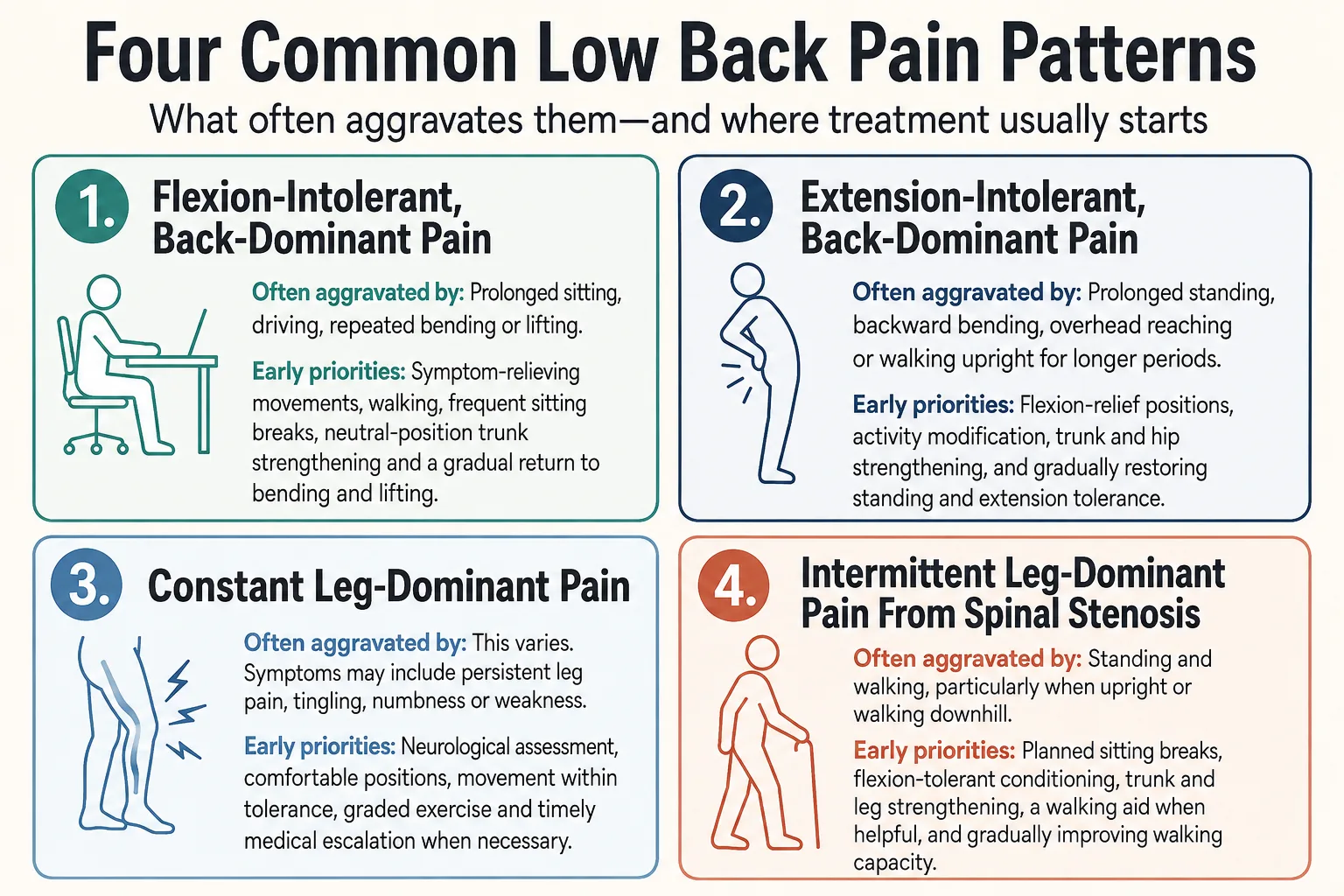
What commonly aggravates four low back pain patterns and where treatment usually starts.
Flexion-Intolerant, Back-Dominant Pain
Often aggravated by: Prolonged sitting, driving, repeated bending or lifting.
Early treatment priorities: Symptom-relieving repeated movements, walking, frequent sitting breaks, neutral-position trunk strengthening and a gradual return to bending and lifting.
Extension-Intolerant, Back-Dominant Pain
Often aggravated by: Prolonged standing, backward bending, overhead reaching or walking upright for longer periods.
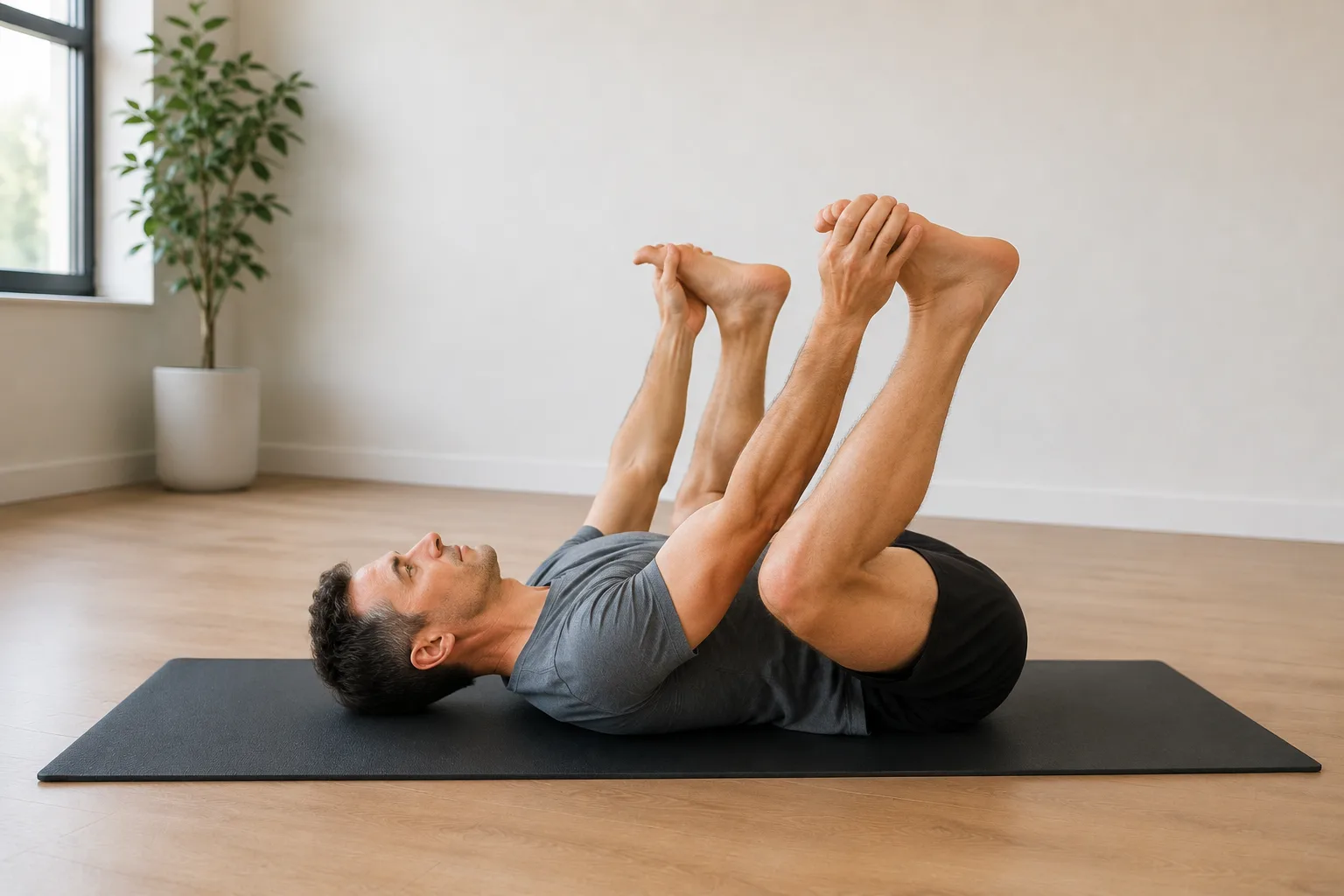
Early treatment priorities: Flexion-relief positions such as the happy baby pose, activity modification, trunk and hip strengthening, and gradually restoring tolerance for standing and extension.
Constant Leg-Dominant Pain
Often aggravated by: This varies between patients. Symptoms may include persistent leg pain, tingling, numbness or weakness.
Early treatment priorities: A neurological assessment, comfortable positions, movement within tolerance, gradually progressed exercise and timely medical escalation when necessary.
Intermittent Leg-Dominant Pain From Spinal Stenosis
Often aggravated by: Standing and walking, particularly when upright or walking downhill.
Early treatment priorities: Planned sitting breaks, flexion-tolerant conditioning, trunk and leg strengthening, an appropriate walking aid when helpful, and gradually improving walking capacity.
Pattern 1: How is flexion-intolerant low back pain treated?
Flexion-intolerant pain is generally aggravated by bending forward, sitting, driving, lifting from the floor or staying in a rounded position. It is often back-dominant, although some people may also have buttock or leg symptoms.
This pattern can occur with disc-related pain, but the movement pattern alone does not confirm the disc as the source.
Use the direction that improves the symptoms
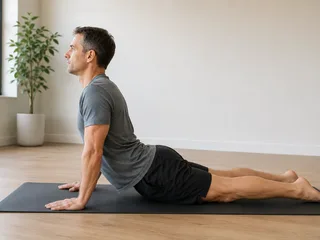
Many people in this group respond well to repeated extension movements, such as a gentle prone press-up or another exercise drawn from a McKenzie-style approach. The important part is not the name of the exercise. It is the response.
An exercise may be useful when it:
- Reduces pain;
- Improves the ability to move; or
- Brings symptoms out of the buttock or leg and closer to the low back.
It should be modified or stopped if pain progressively travels farther down the leg, numbness or weakness increases, or the person is clearly worse afterward.
Break up sitting with movement
Walking is one of the most useful activities for many people with flexion-intolerant pain. It keeps the body moving and breaks up the long periods of sitting that often aggravate this pattern. Several short walks may be better tolerated than one long walk during an acute flare-up.
A small lumbar roll may also make sitting or driving more comfortable by supporting a neutral or slightly extended position. However, even a very good chair does not replace movement. I often tell patients that the most useful sitting strategy is still to get up regularly.
Rebuild strength and capacity
Once symptoms are more manageable, treatment should progress beyond repeated extension. Neutral-position trunk exercises can improve endurance and control, while progressive hip and leg strengthening helps the body tolerate lifting, bending and daily activity again.
The longer-term goal is not to protect the back from flexion forever. It is to restore enough capacity that normal bending is no longer threatening or provocative.
Pattern 2: How is extension-intolerant low back pain treated?
Extension-intolerant pain tends to be aggravated by prolonged standing, bending backward, walking upright for long periods or reaching overhead. Sitting, leaning forward or bringing the knees toward the chest may temporarily feel better.
In a younger person, this pattern may follow an acute overload, muscle spasm or reduced movement-control and muscular capacity around the spine. In an older person, degenerative changes in the facet joints may contribute. However, neither age nor a painful movement proves which structure is responsible, and age-related changes on imaging are often present in people who have no pain.
Use flexion for relief, then build tolerance
Positions such as lying on the back with the knees supported, a gentle knee-to-chest movement or a comfortable child's-pose variation may provide short-term relief. A footstool can also make standing tasks more comfortable by allowing the person to alternate positions.
These strategies are meant to calm an irritated area—not to eliminate spinal extension permanently.
Improve the capacity of the supporting muscles
Trunk, hip and leg strengthening are often central to treatment. The starting position should be comfortable, with the program gradually progressing toward the standing, walking, reaching and lifting tasks the person needs to perform.
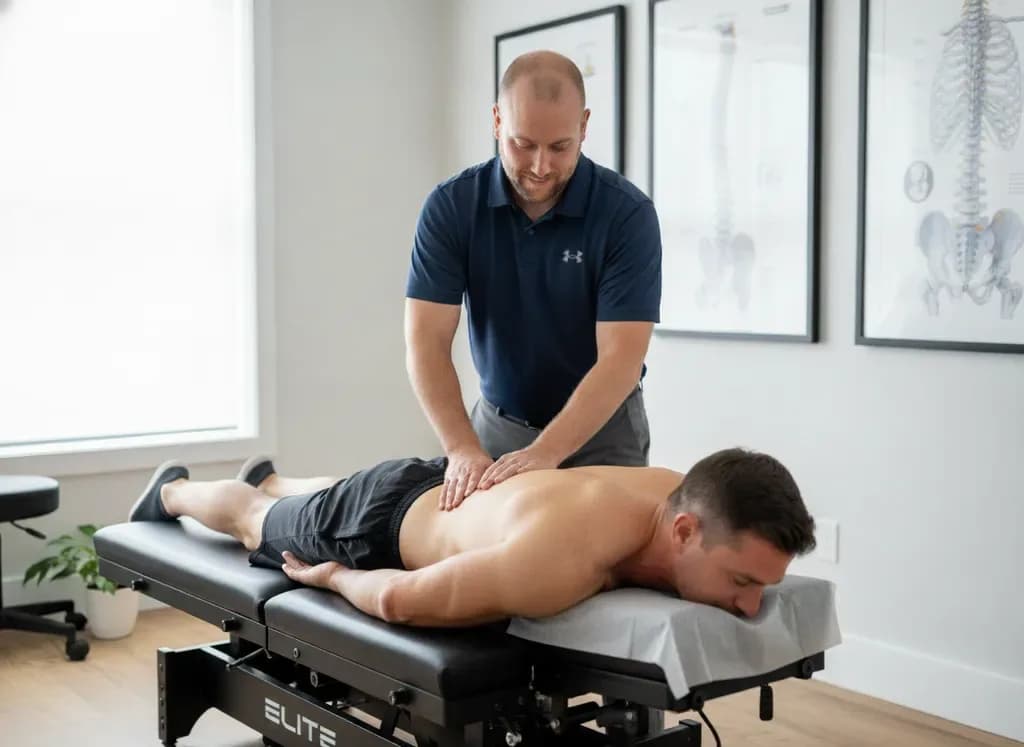
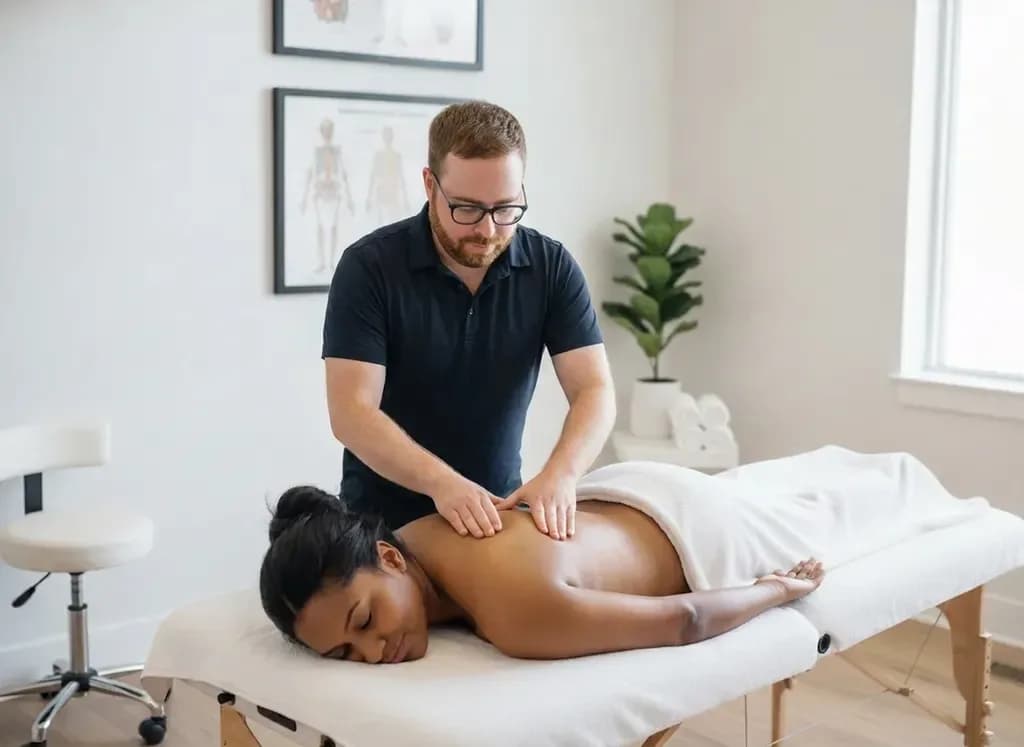
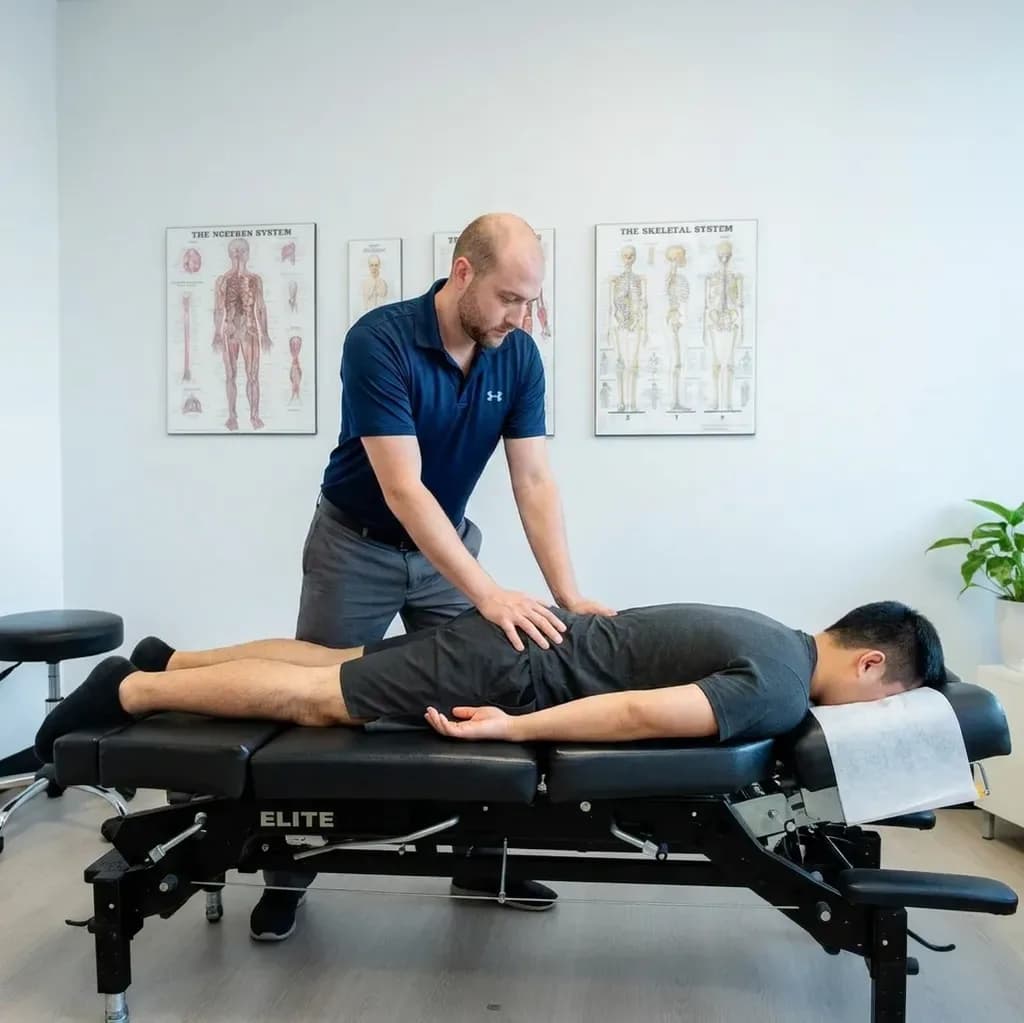
Hands-on treatment may help reduce pain, improve mobility and settle protective muscle tension. Chiropractic care, physiotherapy or massage therapy can support recovery, but manual therapy is most useful when paired with education, movement and a progressive exercise plan.
Degenerative joint changes cannot be reversed, but they also do not dictate how much pain or disability a person will have. Symptoms can often be managed well, and people can remain strong and highly functional. Because the underlying sensitivity may flare again, it is helpful to leave treatment knowing what settles it and how to rebuild after a recurrence.
Pattern 3: How is lumbar radicular pain treated?
Constant leg-dominant pain may occur when a lumbar nerve root is irritated or compressed, often by a disc herniation. The leg pain may be sharp, burning or electric and may be accompanied by tingling, numbness or weakness.
Radicular pain describes pain travelling from an irritated nerve root. Radiculopathy more specifically means there is measurable neurological change, such as altered reflexes, sensation or muscle strength. The terms are often used interchangeably, but the distinction matters during assessment.
What helps during the painful early stage?
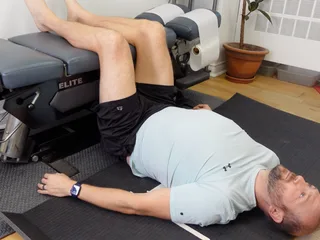
There is no single best position for every irritated nerve root. Some people are more comfortable in a “Z-lie”: on the back with the lower legs supported on a chair and the hips and knees bent to approximately 90 degrees. Others respond better to lying on their side, brief standing or a particular repeated movement found during the assessment.
When symptoms are severe, activity may need to be reduced temporarily. I describe this as resting because of the pain, not resting as the treatment. Complete bed rest is rarely the goal. As soon as possible, we reintroduce short bouts of walking and other comfortable movement, then gradually increase them.
Early treatment may include:
- Education about positions and movements that reduce or centralize symptoms;
- Short, frequent bouts of activity within tolerance;
- Specific repeated movements when the examination identifies a directional preference;
- Trunk and hip exercises that do not aggravate the leg symptoms; and
- Carefully dosed nerve sliders or “nerve flossing” once the nerve is less irritable.
Nerve flossing is not intended to aggressively stretch an already sensitive nerve. It should be introduced gently and adjusted if it increases distal pain, tingling or numbness.
How long does lumbar radiculopathy take to improve?
The early pain can be alarming, but the overall prognosis is usually favourable. For symptoms related to a lumbar disc herniation, approximately 60–80% of people improve within 6–12 weeks, and 80–90% improve over the longer term. Recovery is not always linear, and numbness or weakness may improve more slowly than pain.
A clinician should monitor neurological function during recovery. New or progressive weakness deserves prompt reassessment even if the pain itself is improving.
Do medications or epidural injections help sciatica?
Medication decisions should be made with a physician or pharmacist who can consider medical history, other medications and gastrointestinal, kidney, liver and cardiovascular risks.
NSAIDs may be tried for short-term symptom relief in some people, but their benefit in sciatica is limited and nerve-root symptoms are not purely an inflammatory problem. Acetaminophen alone is no longer routinely recommended for low back pain because it has not shown meaningful benefit in trials.
Gabapentin and pregabalin are sometimes prescribed for nerve-related pain. However, current low back pain and sciatica guidelines do not recommend them routinely for sciatica because overall benefit has not been demonstrated and adverse effects can be significant. A patient should not start, stop or change a prescription without discussing it with the prescriber.
For acute, severe sciatica that is not settling, an epidural steroid injection may provide modest short-term pain and disability relief for some people. It is not a cure, does not reliably provide long-term relief and has not been shown to eliminate the eventual need for surgery.
When is surgery considered for lumbar radiculopathy?
Most people do not require surgery. A surgical opinion may be appropriate when:
- Leg pain remains severe and disabling despite an adequate trial of nonsurgical care;
- Imaging findings match the person's symptoms and neurological examination;
- Weakness is significant or progressing; or
- Daily function remains substantially limited and the likely benefits outweigh the risks.
Pattern 4: How is spinal stenosis with neurogenic claudication treated?
Lumbar spinal stenosis can narrow the space available for the nerves. When this produces neurogenic claudication, symptoms typically appear during standing or walking and improve with sitting, bending forward or changing position. People may describe leg pain, heaviness, fatigue, cramping, numbness or weakness.
The diagnosis depends on the symptom pattern and examination—not the MRI alone. Many older adults have spinal narrowing on imaging without neurogenic claudication.
Use pacing to increase walking capacity
Taking a break is not failing the treatment. Planned sitting breaks can allow a person to stay active for longer overall. It may help to choose walking routes with benches, divide a longer outing into shorter intervals or lean slightly forward on a shopping cart.
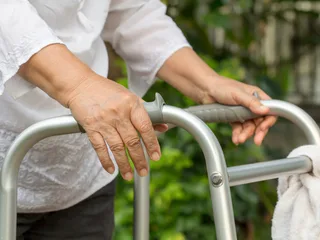
A rollator—a walker with wheels and a seat—can be especially helpful because it provides both a forward-leaning position and a safe place to rest. A cane may improve balance, but it does not offer the same postural support or seated break.
Which exercises are useful for spinal stenosis?
Stationary cycling is often well tolerated because the spine remains in a slightly flexed position. A program may also include:
- Flexion-tolerant mobility exercises;
- Trunk, hip and leg strengthening;
- Balance work when needed;
- Interval walking with planned recovery breaks; and
- Gait coaching, including a small pelvic-position adjustment when it improves symptoms.
Structured programs sometimes called a spinal stenosis boot camp combine education, manual therapy, individualized exercise and progressive walking or cycling. The evidence supports this type of multimodal rehabilitation more than any single “magic” exercise.
Medication evidence for neurogenic claudication is limited. A 2021 clinical practice guideline recommends against routinely using NSAIDs, acetaminophen, opioids, pregabalin, gabapentin or epidural steroid injections specifically for lumbar stenosis causing neurogenic claudication. Treatment decisions still need to be individualized with the appropriate prescriber.
Surgery may be considered when leg symptoms and restricted walking continue to significantly interfere with daily life despite nonsurgical care, or when neurological deficits are progressive. The decision is based on the person's function, examination, imaging and goals—not simply the amount of arthritis seen on a scan.
What role can chiropractic or physiotherapy play?
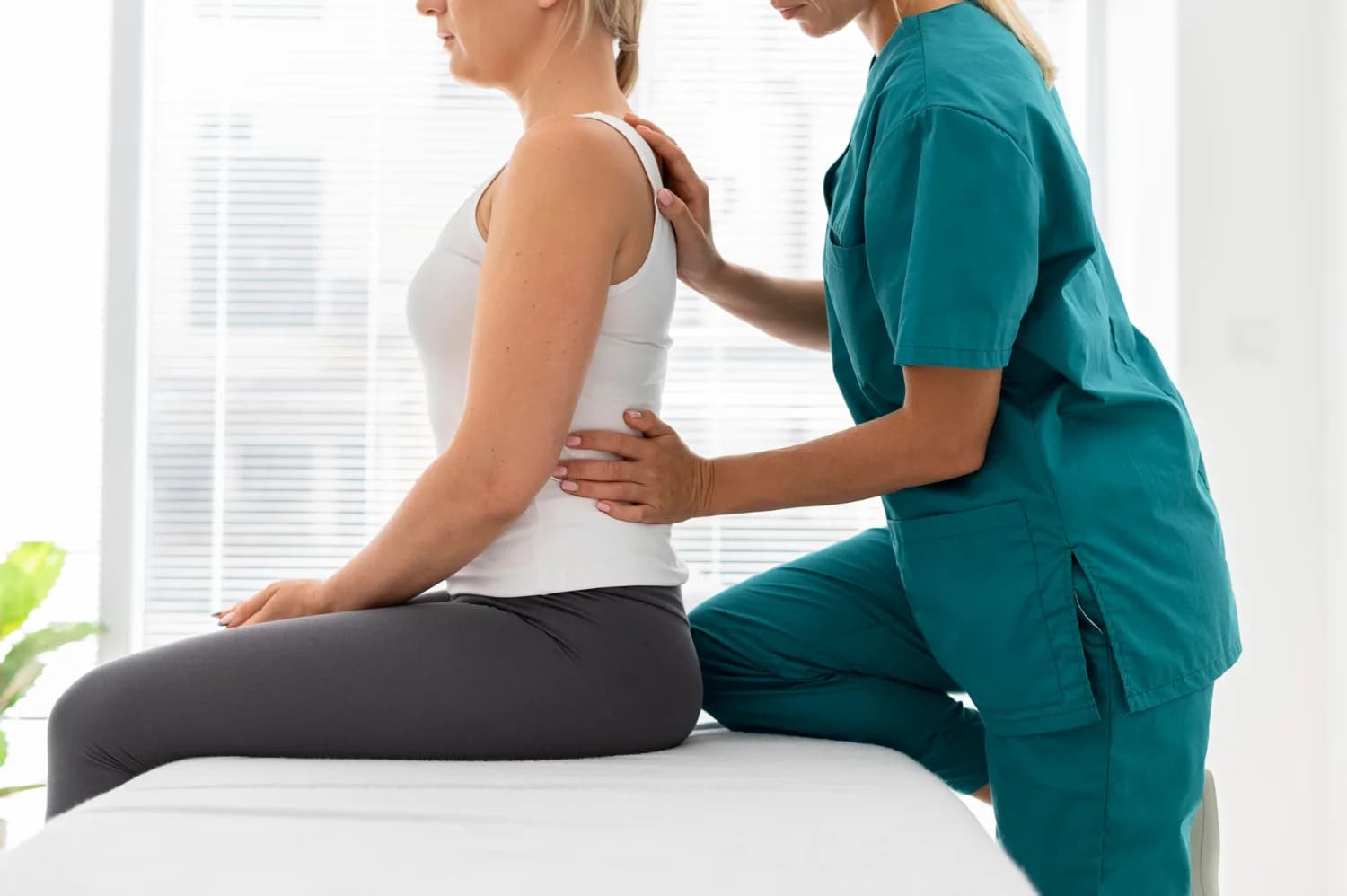
The most important part of care is a thorough assessment. For these low back pain patterns, a clinician may:
- Screen for red flags and conditions that need medical investigation;
- Test strength, reflexes and sensation;
- Identify movements that improve, centralize or aggravate symptoms;
- Explain what is happening without creating unnecessary fear;
- Use mobilization, manipulation or soft-tissue treatment when appropriate;
- Prescribe and progress an active home program; and
- Recognize when imaging, medication review, an injection or a surgical opinion should be considered.
Hands-on care can help with pain and movement in the short term. The lasting work comes from staying active, rebuilding capacity and learning how to respond if symptoms flare again.
At Back In Balance Clinic, our Advanced Spine Care pathway is designed for disc-related pain, sciatica, spinal stenosis and persistent or complex low back pain. Treatment is based on the assessment rather than a fixed protocol.
When should low back pain or sciatica be treated as an emergency?
Go to the emergency department immediately if back or leg symptoms are accompanied by possible signs of cauda equina syndrome, including:
- New difficulty starting urination or emptying the bladder;
- New loss of bladder or bowel control;
- New numbness or altered sensation around the groin, genitals, inner thighs or “saddle” area; or
- Rapidly progressing weakness, especially in both legs.
These symptoms are rare, but waiting can risk permanent nerve damage.
Prompt medical assessment is also important after significant trauma, or when back pain is accompanied by fever, unexplained weight loss, a history of cancer, significant immune suppression or other concerning systemic symptoms.
Do I need an X-ray or MRI before starting treatment?
Usually, no. Most uncomplicated low back pain does not require immediate imaging, and the movement pattern can often be assessed clinically. Imaging becomes useful when the result is likely to change management—for example, when serious pathology is suspected, neurological loss is progressing, or an injection or surgical opinion is being considered.
For more detail, read Low Back Pain: Should I Get X-ray Imaging?.
The bottom line
The best low back pain treatment is not determined by one exercise, one scan or one painful structure. It starts with understanding how the symptoms behave.
A directional preference can help settle a flare-up. Walking and general movement help maintain capacity. Strengthening prepares the back for normal life again. Manual therapy can support the process, while a good clinician continues to watch for neurological change and knows when care needs to be escalated.
If your back or leg pain is limiting work, sleep, walking or exercise, book an assessment with Back In Balance Clinic. We will assess the pattern, explain what it means and build a plan around the activities you need to return to.
References
- Armon C, Narayanaswami P, Potrebic S, et al. Epidural steroids for cervical and lumbar radicular pain and spinal stenosis systematic review summary: Report of the AAN Guidelines Subcommittee. Neurology. 2025;104(5). doi:10.1212/WNL.0000000000213361
- Bussières A, Cancelliere C, Ammendolia C, et al. Non-surgical interventions for lumbar spinal stenosis leading to neurogenic claudication: A clinical practice guideline. The Journal of Pain. 2021;22(9):1015–1039. doi:10.1016/j.jpain.2021.03.147
- George SZ, Fritz JM, Silfies SP, et al. Interventions for the management of acute and chronic low back pain: Revision 2021. Journal of Orthopaedic & Sports Physical Therapy. 2021;51(11)–CPG60. doi:10.2519/jospt.2021.0304
- Kögl N, Brawanski K, Girod PP, et al. Lumbar disc herniation—the significance of symptom duration for the indication for surgery. Deutsches Ärzteblatt International. 2024. doi:10.3238/arztebl.m2024.0074
- Lin LH, Lin TY, Chang KV, Wu WT, Özçakar L. Neural mobilization for reducing pain and disability in patients with lumbar radiculopathy: A systematic review and meta-analysis. Life. 2023;13(12):2255. doi:10.3390/life13122255
- National Institute for Health and Care Excellence. Low back pain and sciatica in over 16s: assessment and management (NG59). Updated July 2026. NICE guideline NG59
- World Health Organization. WHO guideline for non-surgical management of chronic primary low back pain in adults in primary and community care settings. 2023. WHO guideline