
Low back pain during pregnancy may develop for several reasons including previous back injuries, changes in physical load, adaptations in how your body moves, and changes in your usual activity level. Often, it is a combination of factors rather than one specific problem.
As your pregnancy progresses, your back and the muscles that support your trunk have to adapt to changing demands. Activities that were once comfortable may become more challenging, particularly if you have a history of back pain.
The good news is that pregnancy-related back pain doesn't have to last throughout pregnancy or continue after delivery. Understanding what's contributing to your symptoms can help you find ways to move more comfortably and stay active.
What causes low back pain during pregnancy?
Several factors can contribute to pregnancy-related low back pain, and their importance varies from person to person.
Changes in physical load and movement
As your baby grows, your body gains weight and your centre of mass shifts. You may naturally change how you stand, walk, sit or move to accommodate your growing abdomen. These adaptations change the demands placed on your spine, hips and surrounding muscles.
This doesn't mean your posture is wrong or your spine is becoming damaged. It means your body is managing changing physical demands, and activities such as prolonged standing, lifting, walking or exercising may begin to feel different.
Previous back pain and changes in core muscle function
A previous back injury or history of low back pain can make you more susceptible to symptoms when the physical demands on your body change.
Your core muscles also have to adapt during pregnancy. The abdominal wall stretches, the rib cage and diaphragm adapt, and the pelvic floor manages changing loads. These structures work together to support your trunk during everyday activities, and the way you manage certain movements may need to change as pregnancy progresses.
This doesn't mean your core has stopped working or that weak abdominal muscles are necessarily causing your pain. For some people, modifying movements, adapting exercises or gradually building strength and activity tolerance can help.
Changes in activity level
Fatigue, nausea, changes to your exercise routine and the physical demands of everyday life can all affect how much activity you manage during pregnancy. You may find yourself moving less, spending more time sitting or struggling with activities you previously tolerated comfortably.
The goal is to find a manageable level of activity and ways of maintaining physical activity that suit your symptoms and pregnancy, rather than pushing through pain or unnecessarily stopping exercise.
Could it be pelvic girdle pain instead?
Low back pain and pelvic girdle pain can overlap but they aren't exactly the same.
Low back pain is often felt around the lower lumbar spine. Pelvic girdle pain may occur around the joints at the back of the pelvis or around the pubic bone at the front. It can be particularly noticeable when rolling over in bed, climbing stairs, standing on one leg or getting in and out of a car.
Identifying the correct source and pattern of your pain helps guide treatment. If pain is affecting your walking, sleep or everyday activities, an assessment can help clarify what may be contributing.
What helps low back pain during pregnancy?
The most useful approach depends on your symptoms, health history, stage of pregnancy, activity level and goals. In many cases, a combination of movement strategies, exercise and hands-on treatment can help manage symptoms.
Keep moving, but adapt as needed
If your obstetric care provider hasn't advised you to restrict activity, try to maintain movement within your comfort level rather than avoiding it. This might mean taking more frequent but shorter walks, changing positions more frequently or modifying exercises that aggravate your back.
You do not need to push through pain to remain active. Equally, complete rest is not usually necessary for uncomplicated musculoskeletal back pain. Finding the right balance between activity and recovery can help you maintain function while your body adapts.
Depending on your needs, a program may include mobility exercises, progressive strengthening, movement-control exercises or strategies for returning to daily activities that have become uncomfortable.
A few practical adjustments may also help:
- Sitting and standing: Change positions regularly rather than staying in one position for prolonged periods.
- Sleeping and rolling in bed: Try a pillow between your knees when side-lying. If rolling over aggravates your back or pelvis, move your shoulders and pelvis together rather than twisting through your trunk. Keeping your knees relatively close together may help if you have pelvic girdle pain.
- Lifting and carrying: Keep items close to your body, avoid awkward twisting under load and break heavier tasks into smaller steps.
- External support: A maternity support belt may help some people, particularly with pelvic girdle symptoms, but it isn't necessary for everyone.
How can chiropractic care help?
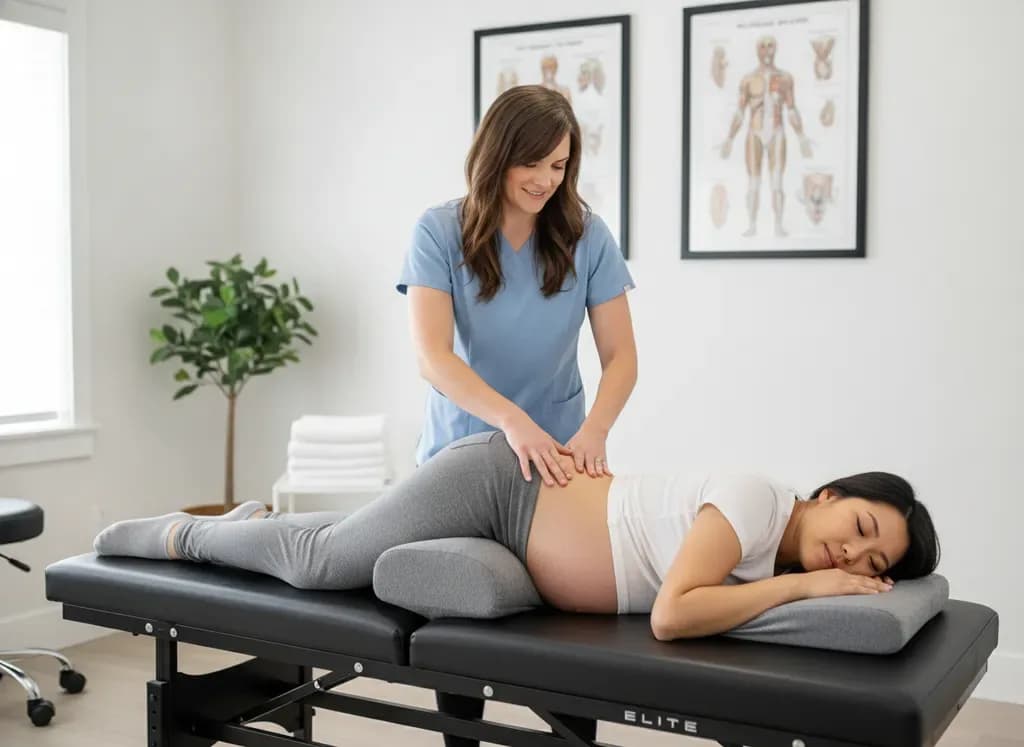
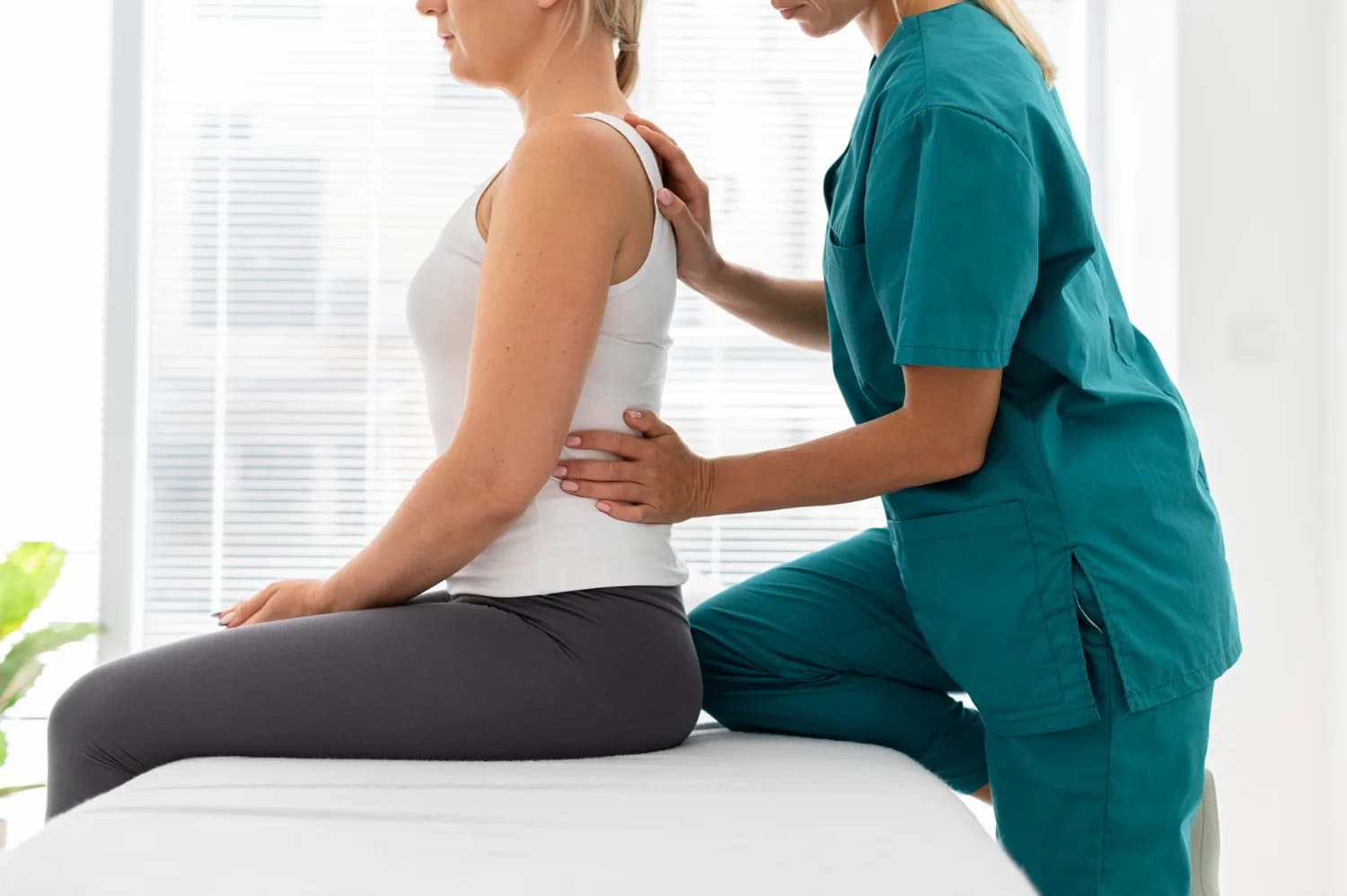
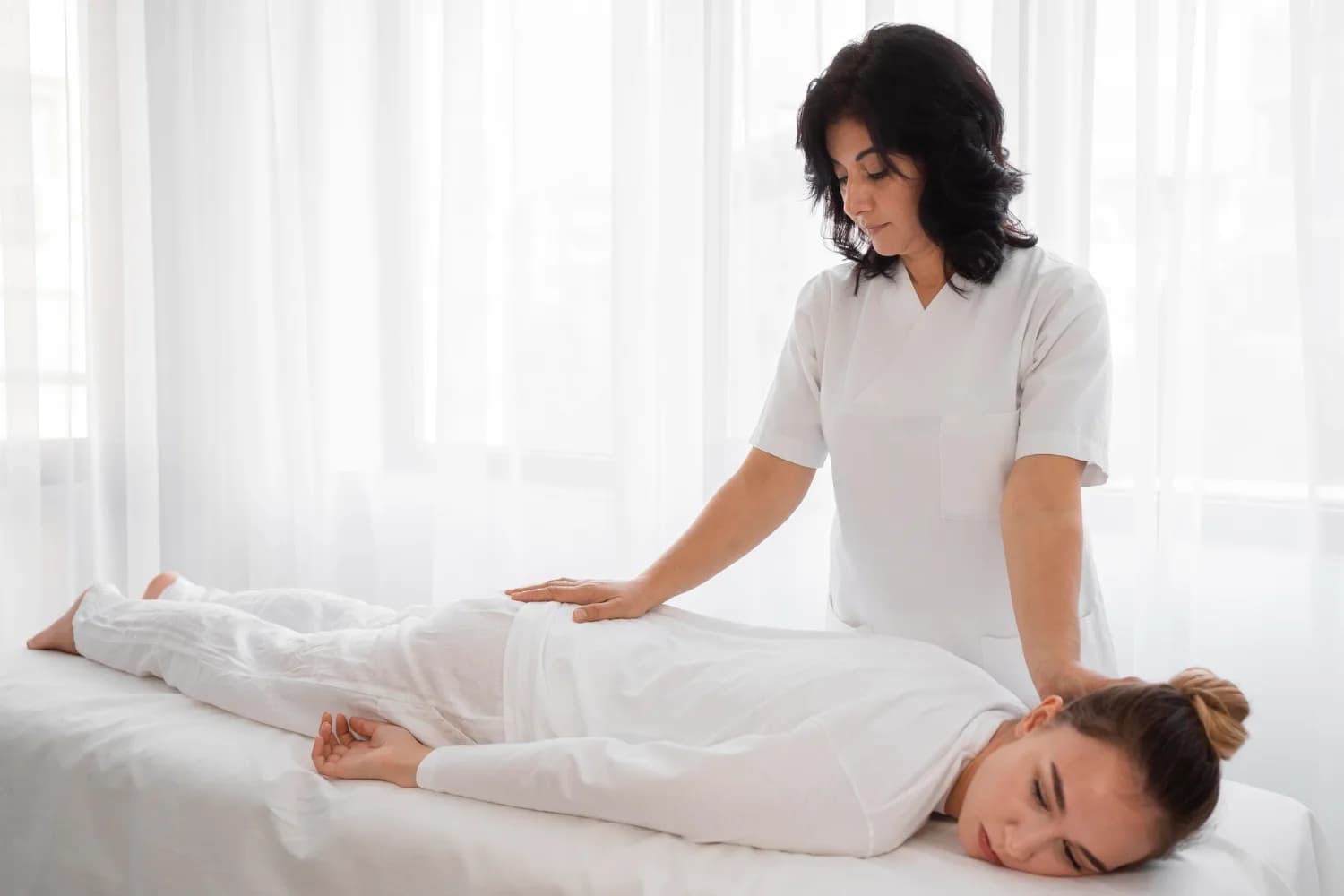
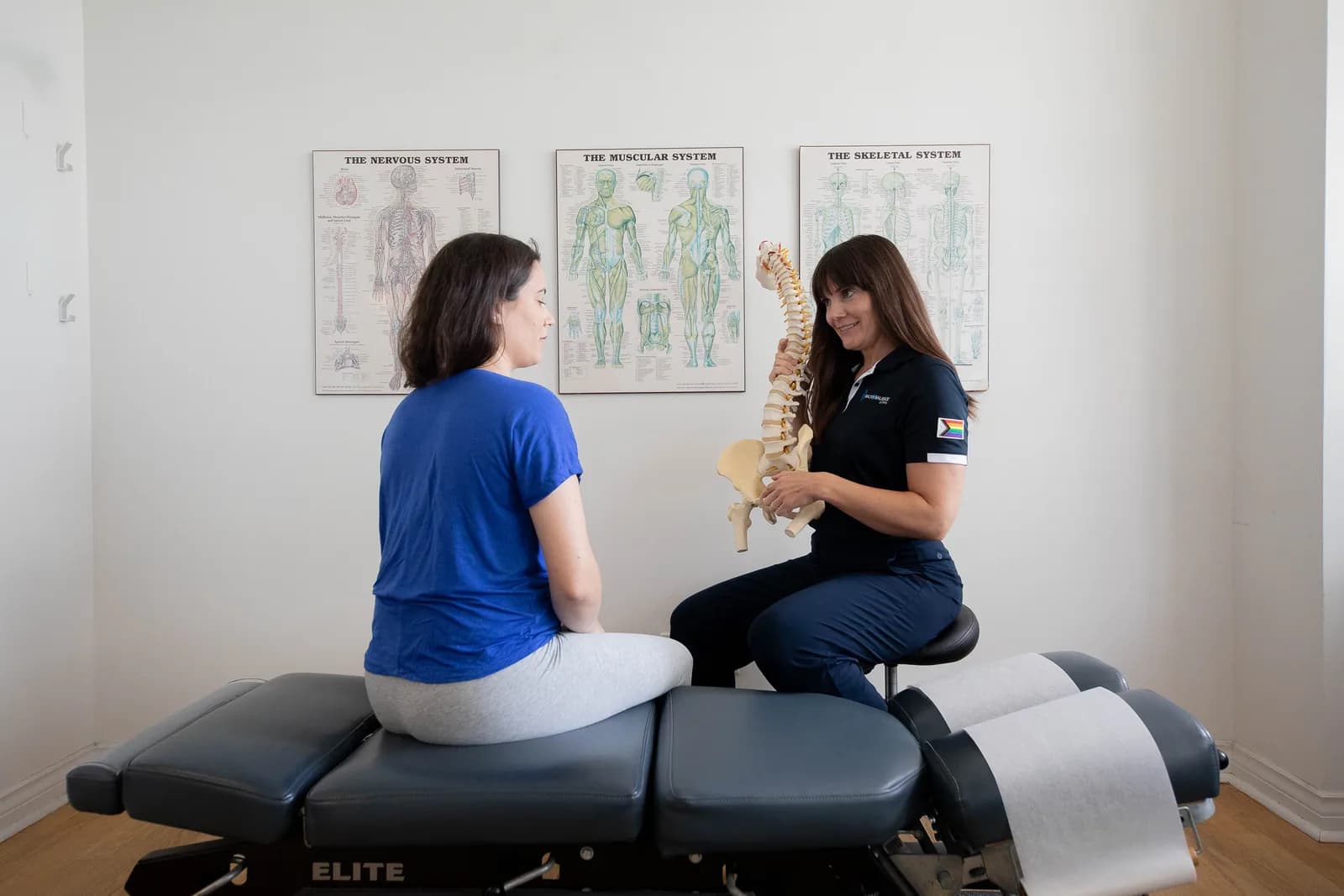
Chiropractic care can be a helpful option for managing pregnancy-related musculoskeletal pain. It begins with understanding your symptoms, previous injuries, stage of pregnancy, daily activities and what you want to get back to doing.
Rather than relying on one technique, care often works best as a multimodal approach. Depending on your needs and preferences, this may include:
- Movement advice.
- Activity modification.
- Progressive rehabilitative exercise.
- Soft-tissue release.
- Joint mobilization or spinal manipulation only when appropriate.
- Taping or advice about external supports when useful.
Not everyone needs the same combination of treatments. Treatment should reflect your symptoms, comfort and preferences, and your care plan should change as your needs change.
A chiropractor should also recognize when symptoms need assessment by your midwife, obstetrician or another healthcare professional.
Does low back pain during pregnancy continue after delivery?
Not necessarily. Some people find that their symptoms improve as their body and daily demands change, while others continue to experience back pain postpartum. Lifting, feeding, carrying and caring for a newborn can place new demands on your back while you're recovering from pregnancy and delivery.
Addressing back pain during pregnancy gives you an opportunity to understand your symptoms, find more comfortable ways to move and develop strategies that may also be useful after delivery too.
When should you be concerned about back pain during pregnancy?
Most pregnancy-related back pain is musculoskeletal, but some medical conditions can also cause back or flank pain.
Contact your midwife, obstetric care provider or maternity triage service promptly if your back pain is accompanied by:
- Vaginal bleeding or fluid leaking from the vagina.
- Regular contractions, menstrual-like cramps, pelvic pressure or a new, persistent dull backache, particularly before 37 weeks.
- Fever, chills, pain or burning when urinating, or pain in your side or flank.
- Severe or persistent abdominal pain.
- A noticeable reduction in your baby's usual movements once you are at the stage of pregnancy when you monitor them.
Seek urgent medical assessment for new leg weakness, numbness around the groin or saddle area, or loss of bladder or bowel control.
Get help with pregnancy-related back pain
Understanding your symptoms, adapting activities and finding the right combination of movement, exercise and treatment can help you stay as comfortable and active as possible. If your back pain is affecting your everyday life, an assessment can help identify a practical next step.
I'm Dr. Lisa Clarke, a chiropractor at Back in Balance Clinic with over 17 years of clinical experience and a special interest in women's MSK health and pregnancy. I work with patients to understand their symptoms and find practical, individualized ways to manage musculoskeletal pain throughout pregnancy and beyond.
To learn more about my approach, visit our Pre / Postnatal Care page or my practitioner profile. If you're experiencing pregnancy-related low back pain, I'd be happy to help you explore your options.
References:
Weis CA, Pohlman K, Draper C, daSilva-Oolup S, Stuber K, Hawk C. Chiropractic care for adults with pregnancy-related low back, pelvic girdle pain, or combination pain: a systematic review. Journal of Manipulative and Physiological Therapeutics. 2020;43(7):714–731.
Mottola MF, Davenport MH, Ruchat SM, et al. 2019 Canadian guideline for physical activity throughout pregnancy. British Journal of Sports Medicine. 2018;52(21):1339–1346.
Canadian Chiropractic Guidelines (formerly Canadian Chiropractic Guideline Initiative). Pregnancy & Postpartum Musculoskeletal Health. Canadian Chiropractic Association. Updated August 2026.