
If heel or arch pain keeps coming back or makes it hard to walk, work, or exercise, a foot assessment can help you decide what to try. Depending on what’s causing your symptoms, a roomier shoe, a store-bought insert, or a rehabilitation plan may be enough. Custom orthotics are worth considering when the assessment identifies a specific need for support, pressure relief, or fit that a standard insert can’t meet.
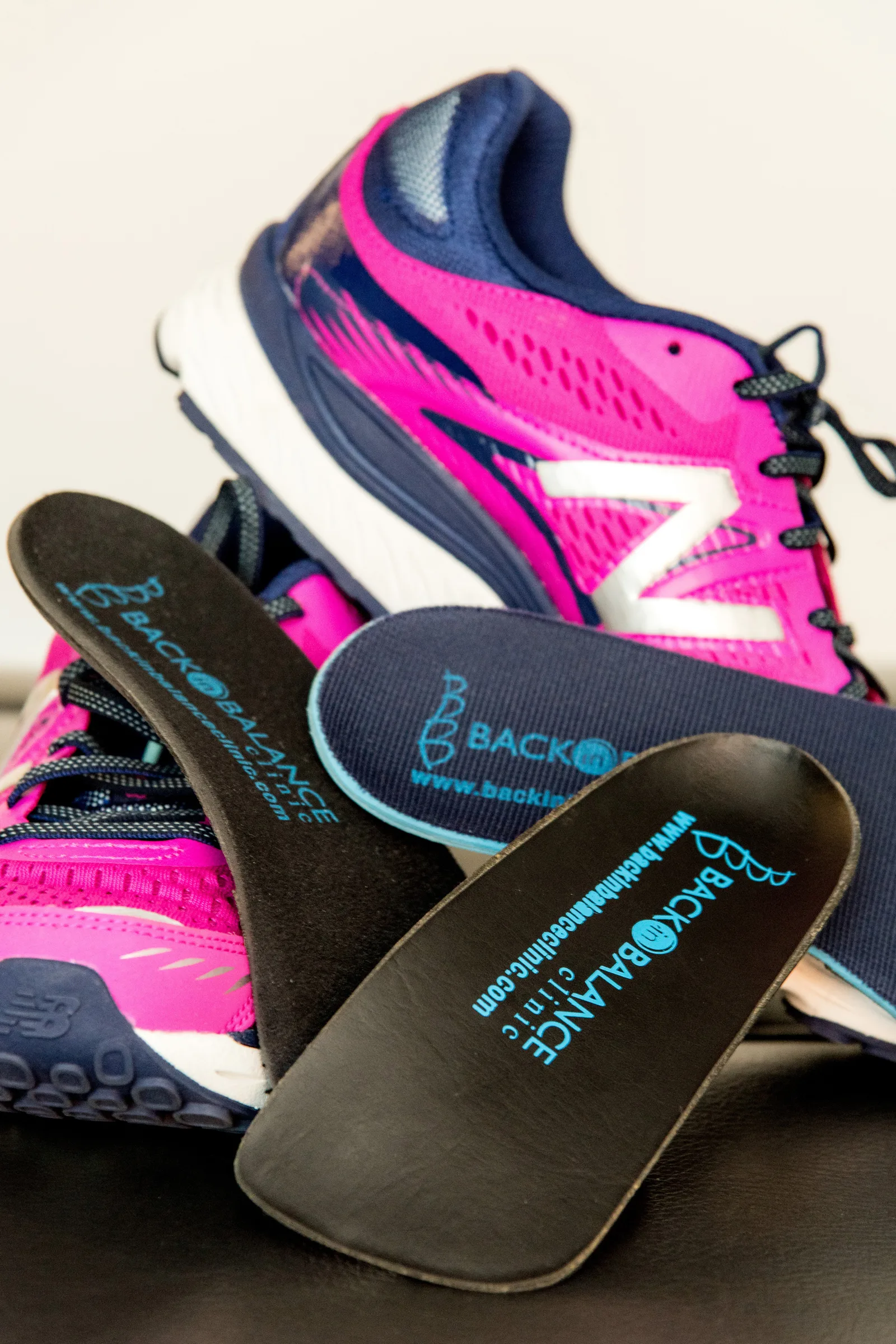
What does an orthotic do?
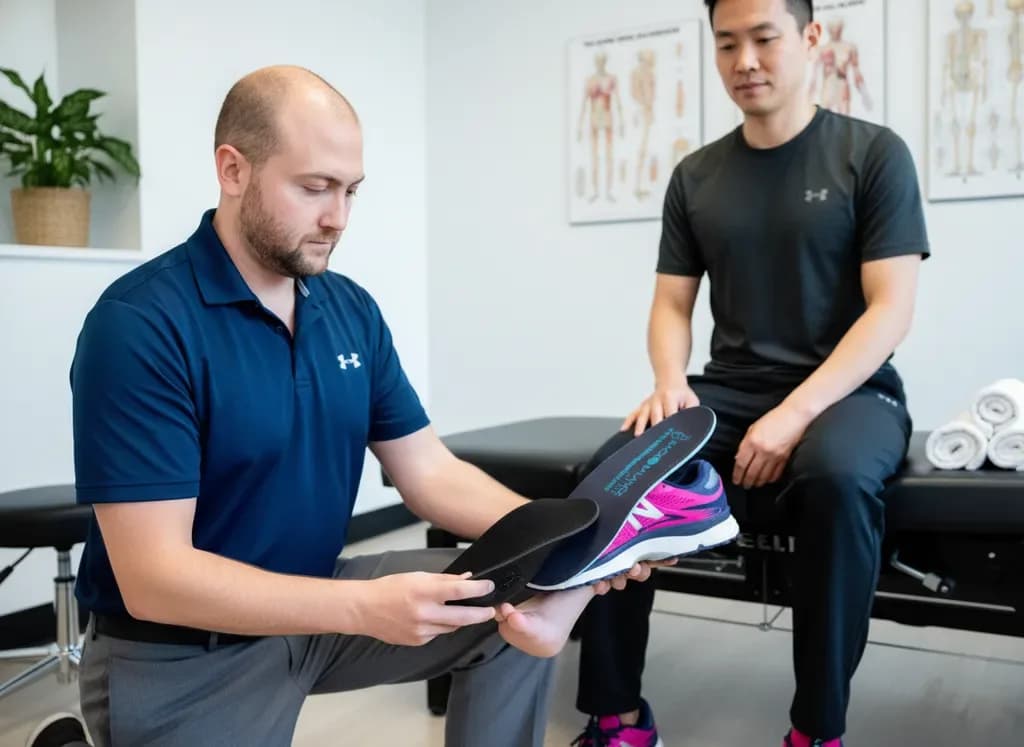
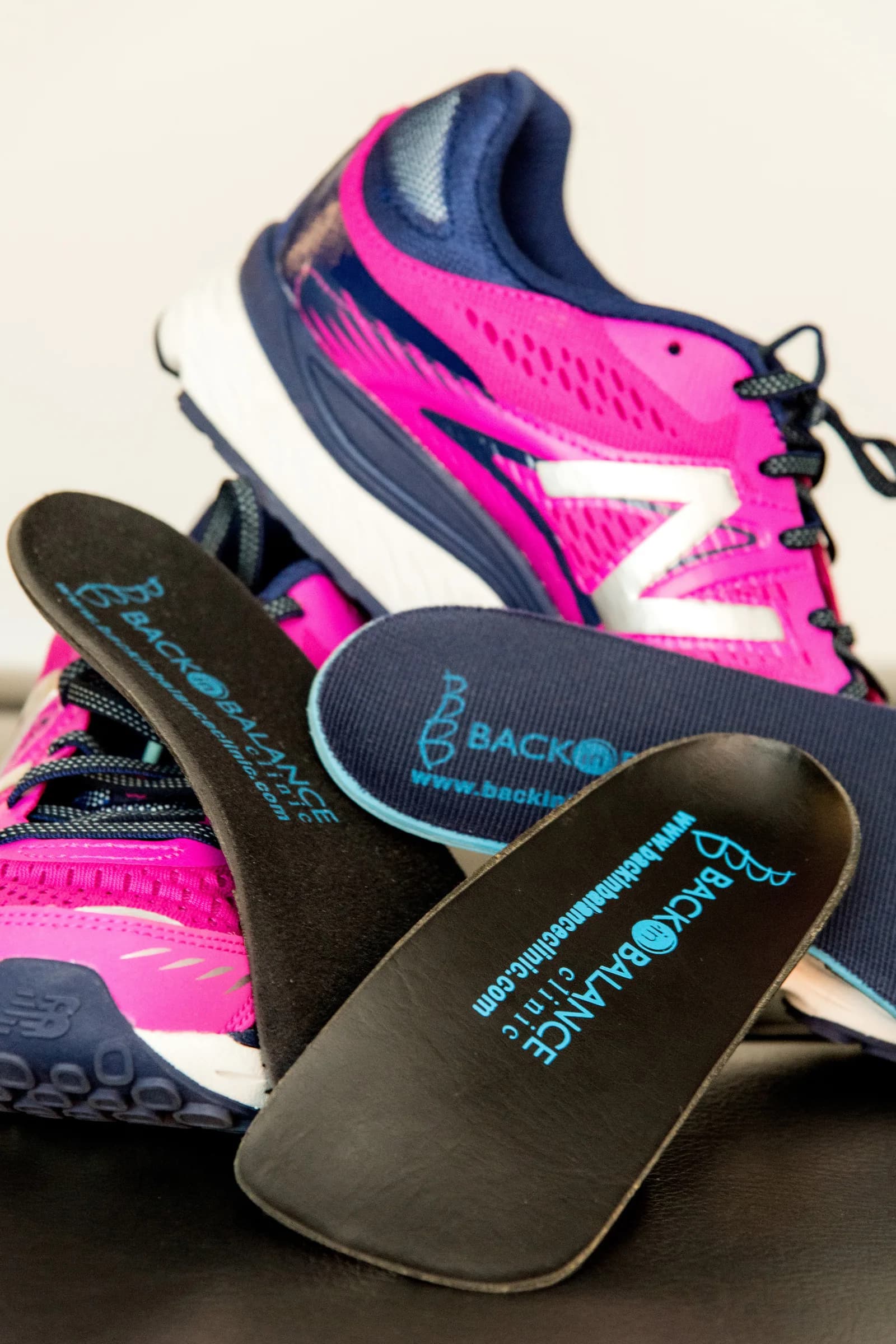
A foot orthotic sits inside your shoe and changes how pressure is distributed under your foot. Depending on its design, it can cushion a sore heel, support the arch, or shift pressure away from a sensitive area. The goal is usually practical. Can you walk farther, stand more comfortably at work, or return to an activity that foot pain has been limiting? American Podiatric Medical Association guide to orthotics and shoe inserts
When is a store-bought insert enough?
If your main concern is mild discomfort after spending hours on your feet, start by looking at the shoes you wear most. Is there room for your toes? Does the heel sit securely? Would adding an insert make the shoe too tight? A comfortable shoe and a prefabricated insert may provide the cushioning or support you’re looking for.
A custom device can be considered when you need a more specific fit or pressure relief. For example, if a standard insert presses against a tender area, a clinician can assess whether changing the shoe, adjusting the insert, or designing a device around that area makes sense. The choice depends on where you hurt, what brings on the pain, and what you need to do in those shoes. American Podiatric Medical Association guide to orthotics and shoe inserts
What foot conditions may benefit from orthotics?
The diagnosis helps guide the decision, along with your symptoms, activity, and footwear. Common reasons to consider an insert include:
- Plantar fasciitis. An insert may help with plantar heel pain as part of a plan that can include stretching and strengthening. The clinical guideline supports either prefabricated or custom orthoses alongside other treatments. A custom pair isn’t automatically the first step. 2023 heel pain clinical practice guideline
- Painful flat feet or high arches. Some people benefit from extra support or cushioning when walking or standing hurts. If you have low or high arches and can do what you want comfortably, arch shape alone is a poor reason to buy custom inserts. Cleveland Clinic guide to orthotics
- Recurring pain under a specific part of the foot. If the same spot hurts in your work shoes or on longer walks, an assessment can help determine whether changing your footwear or redistributing pressure with an insert may help. American Podiatric Medical Association guide to orthotics and shoe inserts
If pain keeps returning or changes how you walk, book an assessment to find out what’s causing it. If you have diabetes with reduced sensation in your feet, or you notice a new wound, seek medical or podiatric care before trying to manage it with an insert. American Diabetes Association foot care guidance
How much should a pair of orthotics cost?
There’s no single price for custom orthotics. When comparing quotes, ask whether the price includes the assessment, scan or cast, the pair itself, and any fitting or follow-up adjustments.
At Back In Balance Clinic in downtown Toronto, the listed fee is $475 CAD, which covers the 3D-scan casting appointment and the custom pair. A $140 non-refundable deposit at casting goes toward that total, and the balance is due at pickup. If you plan to use extended health benefits, check your plan’s coverage and documentation requirements before ordering. Back In Balance Clinic fees · Custom orthotics service details
What happens at an orthotics assessment?
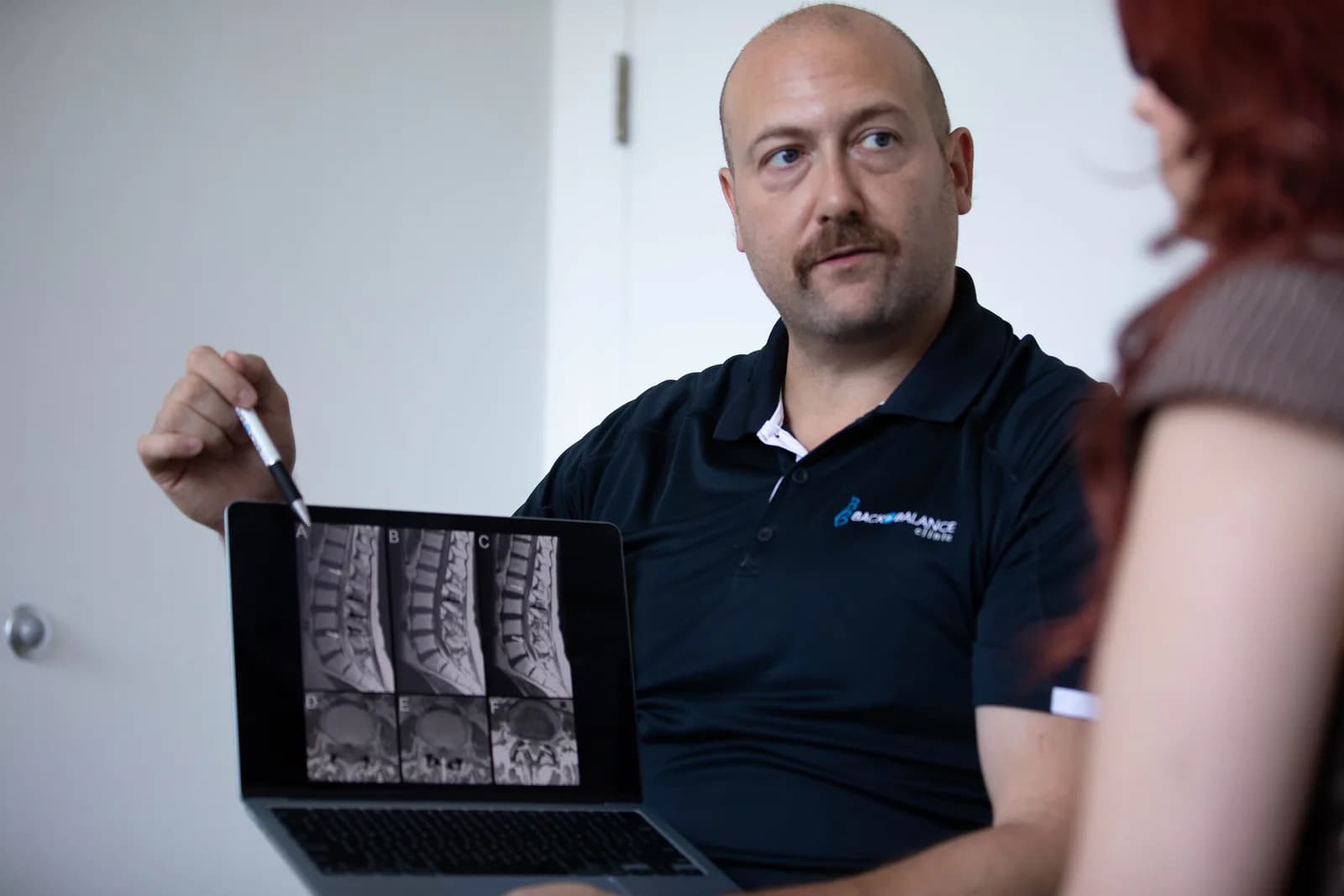
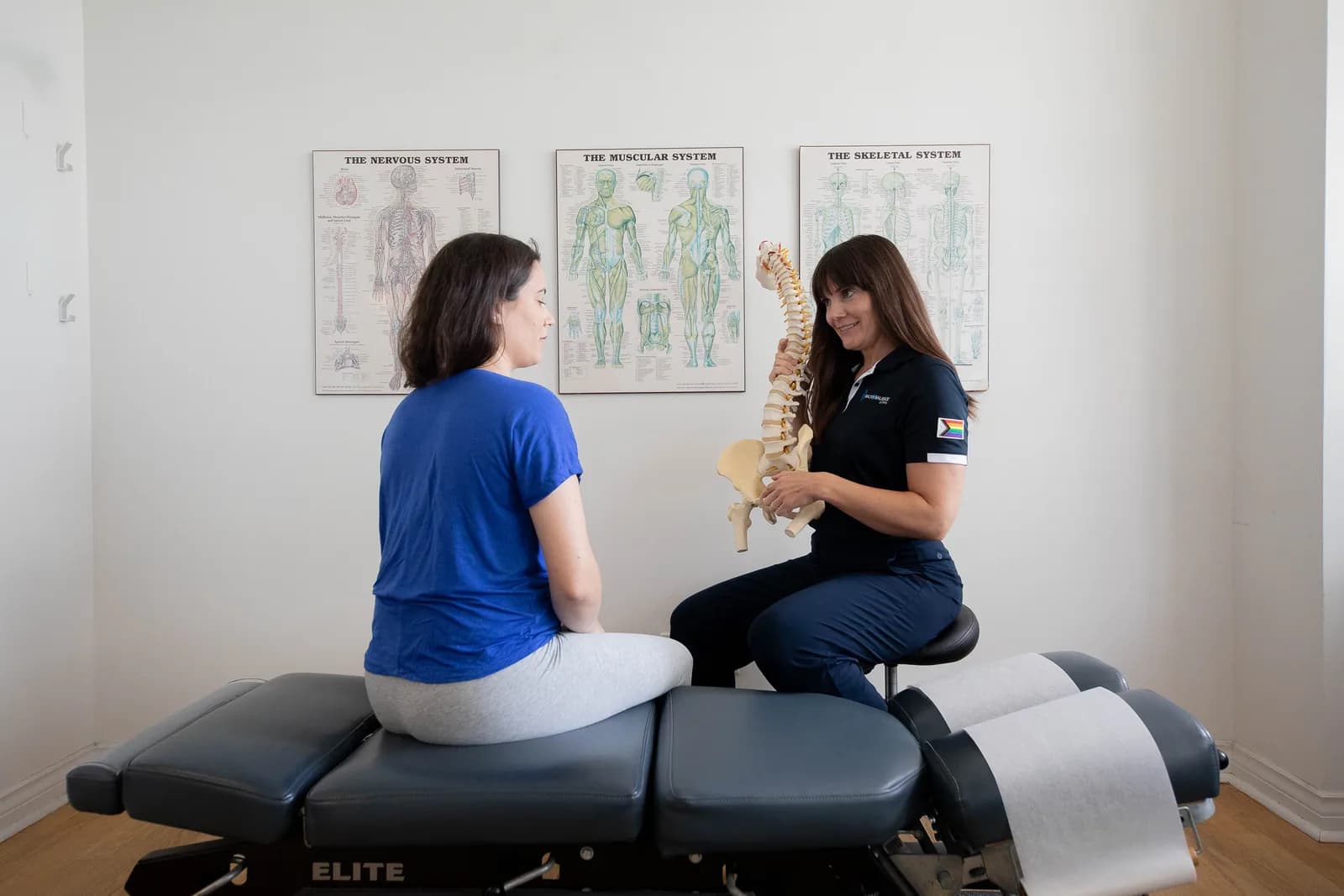
At Back In Balance, we ask where it hurts, when it started, and which activities bring it on. We look at your feet while you stand and walk and check how your ankles, knees, and hips move when relevant. If the assessment points to a reason for custom orthotics, we take a 3D scan to guide the prescription. Bring the shoes you wear when your symptoms show up so we can discuss what will fit and work for your day. Back In Balance Clinic’s custom orthotics assessment
If foot pain is getting in the way of your usual activities, an assessment can help you decide whether footwear changes, an insert, or another treatment makes sense.
Clinical reference
Koc TA Jr, Bise CG, Neville C, Carreira D, Martin RL, McDonough CM. Heel Pain–Plantar Fasciitis: Revision 2023. Journal of Orthopaedic & Sports Physical Therapy. 2023;53(12)–CPG39. Clinical practice guideline